
Mold, Printing & Inspection Parameters for Craft Gifts
Technical Guide: Mold Development, Printing & Inspection Parameters for Custom Craft Gifts
Short answer: A custom craft gifts order is only as reliable as its parameter sheet. Mold and die geometry, material and thickness, printing method, ink type, embossing or engraving, packaging format and inspection criteria have to be locked in writing before tooling begins. After that point, every change becomes a cost, a delay and a fresh compliance check.
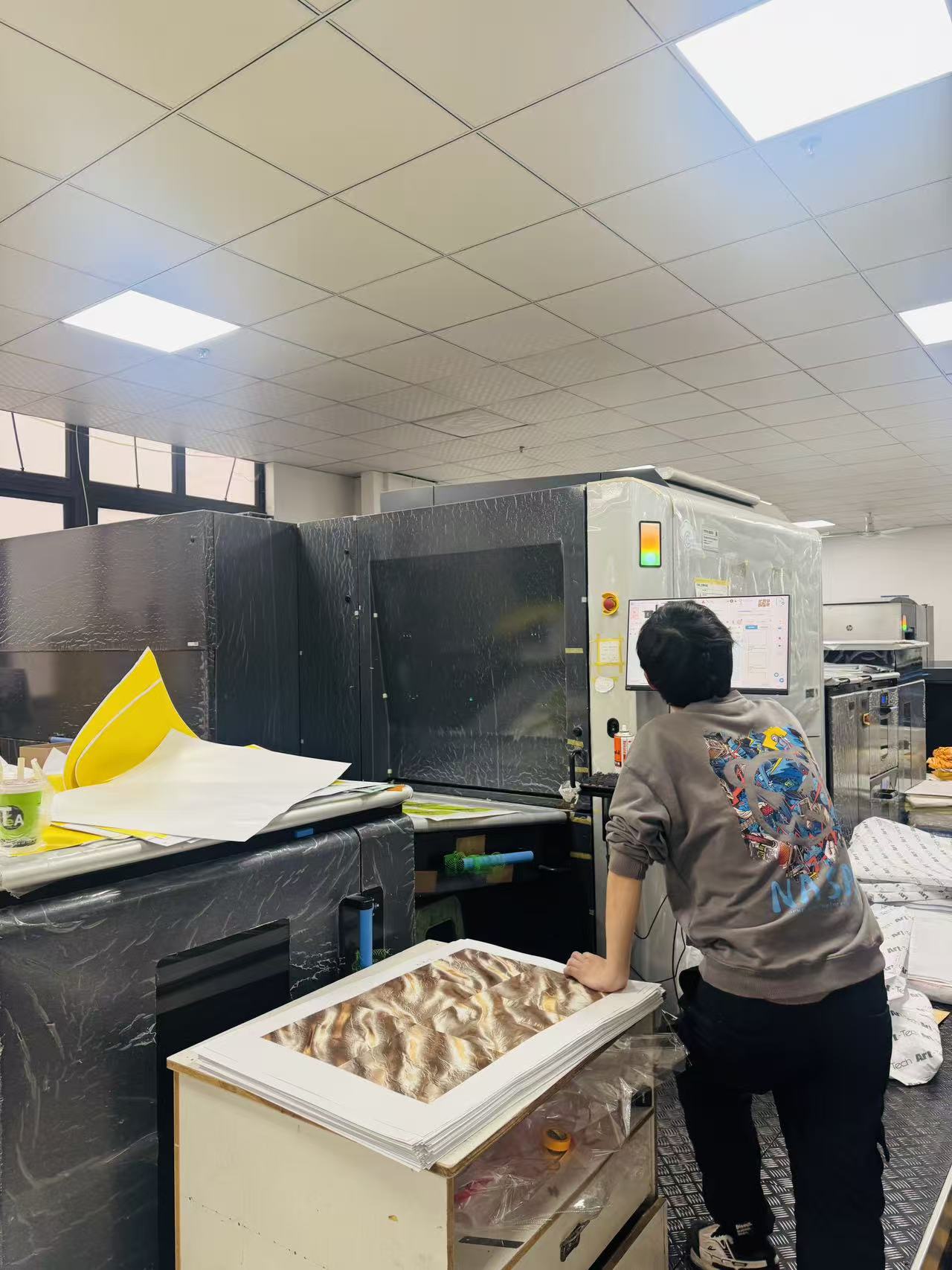
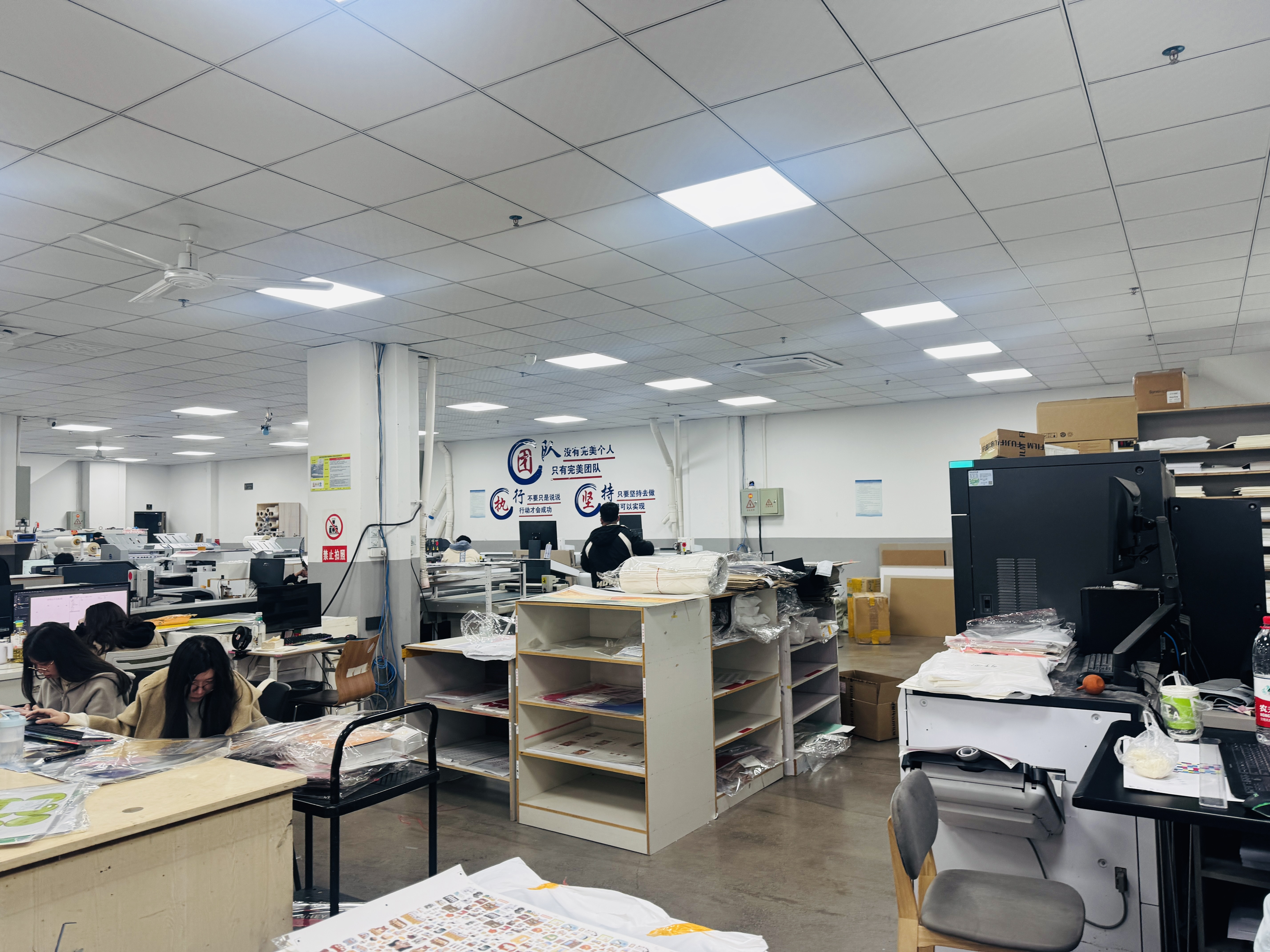
This guide is written for procurement managers, brand owners, importers and product developers who are moving from "we want custom craft gifts" to "we can specify them." It works through the parameter sets in the order a real project follows — mold development, printing, embossing and engraving, packaging, and full-process inspection — and shows how each set maps to the equipment that executes it. Wenzhou Aha Craft Gifts Co., Ltd. (AHA) is used as the reference production case throughout. AHA is a custom craft gift manufacturer based in Wenzhou, China, founded in 2017 and operating a 2,000 m² facility with 100 employees, a 5-engineer R&D team and a 5,000,000-unit annual output.
Problem Definition: Parameter Gaps Cause Rework, Not Discounts
Sourcing conversations usually open with unit price. But unit price is an output, not an input: it is produced by at least six parameter decisions, and each one changes tooling, machine time and inspection scope.
- Mold and die geometry — the shape, die-line and tolerance the tooling is cut to.
- Material and thickness — paper weight, plastic or metal gauge, magnet thickness.
- Printing method and ink — offset, screen or UV digital printing, and water-based or standard ink.
- Embossing and engraving — which surface carries the relief, how much relief, and how it interacts with the print.
- Packaging format — OPP bag, colour box, gift box or blister pack, and the export carton behind it.
- Inspection criteria — the stages checked, the defects counted, and who signs off.
When a parameter is left undefined, it does not stay open. It is decided by default — by whoever touches the product first. Buyers then discover that default at the sample stage or, worse, at the container stage, when the only remaining options are to accept, rework or renegotiate.
There is a structural reason this happens so often in the gift category. Craft gifts are usually multi-category projects: one order can contain paper products, plastic items, stationery, a children's item, and the gift box they all ship in. AHA's production model reflects that reality by naming four matched equipment groups — custom molds, printing equipment, embossing and engraving tools, and packaging machines. A requirement that cannot be mapped to one of those four groups is a preference, not a specification.
Industry Background: Why Parameter Discipline Became a Sourcing Issue
Two market forces have pushed parameter definition from a discipline into a required step.
- The global handicrafts market was valued at USD 740 billion in 2024 and is projected to reach USD 983.1 billion by 2030, a CAGR of 4.9% (Grand View Research). Scope matters when reading those figures: Market Research Future sizes craft supplies alone at USD 41.08 billion, while Expert Market Research projects USD 880.82 billion for the wider handicrafts market in 2025.
- The personalized gifts segment was estimated at USD 28.47 billion in 2024 and is expected to reach USD 42.25 billion by 2029, an 8.2% CAGR (The Business Research Company) — faster than the category it sits inside.
- Custom handmade craft gift categories grew by 26%, driven by artisanal demand and a shift toward hyper-personalization (Personalized Gifts Market Opportunities Report).
- Demand for kids' crafts rose by 24% in 2025 (Business Research Insights).
- 41% of buyers preferred recyclable and biodegradable art supplies in 2025 (Business Research Insights) — a preference that can only be honoured if material and ink are specified.
- Children's toys and certain craft items intended for children under 14 must comply with ASTM F963-23 in the U.S. and EN71 in the EU (CPSC / Eurofins).
The practical consequence is simple: compliance and sustainability are not add-ons that appear at the end of a project. ASTM F963-23 and EN71 apply to the finished article, which means material, ink and assembly decisions have to be made before the first sample — not after the artwork is approved.
The Parameter Framework: What to Define Before Tooling Starts
Mold development parameters
Mold development converts artwork into the tooling that forms, cuts or shapes the product. In AHA's production chain, mold development sits with independent design, mass production, printing, packaging and international logistics in one facility — so the tooling brief and the finishing brief are written together instead of one after the other.
Four parameters belong in the mold brief:
- Final artwork and die-line for folded, cut or trimmed items.
- Shape and size band. AHA's AHA-FM Series fridge magnets illustrate the point: 1"×1" to 11.75"×11.75", in custom square, rectangular, round or irregular shapes. The shape in the brief is the shape of the mold.
- Material the tool will run. The same product family can be produced in paper (coated, kraft or cardboard), plastic (PVC or PP) or metal (iron or stainless steel), and each material implies a different tooling and finishing path.
- Thickness. AHA quotes 1.5–3 mm for plastic and metal parts in its craft gift and stationery range, 0.5–6 mm for magnet bodies, and 80–300 gsm for paper stock. Thickness is what turns a size into a specification.
Printing parameters
Printing method should follow material and order size, not supplier habit. Four methods cover most custom craft gifts:
- Offset printing — fine detail on paper products and stationery.
- Screen printing — flat or gently curved plastic and metal surfaces.
- UV digital printing — full-colour artwork and flexible run sizes, used on items such as magnets.
- Embossing / debossing — raised or recessed detail applied over or beside the print.
Ink is a compliance parameter, not a cost line. Paper-based craft gifts and stationery from AHA use eco-friendly water-based ink that is non-toxic and fade-resistant, and children's products use eco-friendly non-toxic ink. If you are buying eco-friendly craft gifts or kids safety certified craft gifts, the ink specification belongs in the purchase order, not in a brochure.
Embossing and engraving parameters
Embossing and engraving are where personalized logo craft gifts usually earn their perceived value — and where "make it look premium" has to become a measurable instruction for the embossing and engraving tools. Three questions define it: which surface carries the relief, how high or deep the relief sits, and where it lands relative to the printed artwork.
Because AHA's magnet range already combines UV printing with 3D embossing and full-colour customisation in a single item, the buyer has to specify sequence as well as effect — print first and then emboss, or emboss into an unprinted area. One sentence in the brief prevents a full resample.
Packaging parameters
Packaging is the final production step and the first thing the end customer sees. AHA's craft gift and stationery range offers OPP bag, colour box, gift box and blister pack formats, and custom packaging is one of the standard customisation dimensions alongside logo, design, size and colour.
A complete packaging brief covers format, board or film, insert or tray, panel positions for artwork, whether the unit ships gift-box packed, and the export carton configuration. For project buyers, gift box packed craft gifts are not a presentation preference — the packaging format changes picking, retail handling and shipping volume, and therefore cost.
Inspection parameters: full-process control
Inspection only works when its stages are named. AHA's stated quality control model is full-process inspection across raw material selection, production processing and finished product packaging, with 100% inspection during production. For buyers, that model has to be translated into category-specific acceptance criteria:
- Children's toys and crafts (AHA-CT Series): ASTM F963, EN71, CPSIA and CE compliance; food-grade, non-toxic, BPA-free and phthalate-free materials; age recommendation of 3+ years.
- Craft gifts and stationery (AHA-CG Series): EN71, REACH and RoHS available upon request; BPA-free on plastic components.
- Fridge magnets (AHA-FM Series): EN71, REACH and RoHS available upon request; reusable, fade-resistant and strong adhesion as functional criteria.
- Cleaning and household items (AHA-CS Series): FDA food-grade, REACH and RoHS available upon request, with antimicrobial treatment optional.
Step-by-Step: How to Build the Parameter Sheet
- Fix the category and end use. Paper product, plastic item, stationery, children's toy or packaging supply — the category decides which safety standard applies before anything else is discussed.
- Freeze artwork and die-line. Approve the final version in writing. Late artwork changes are the most expensive changes, because they invalidate tooling.
- Set the size and thickness band. Use the supplier's realizable range, such as A5/A6/A7 formats and 76×76 mm or 100×100 mm sticky note blocks in stationery, or 1.5–3 mm plastic and metal thickness.
- Choose printing method and ink. Match offset, screen or UV digital printing to the material, and confirm the ink type in the same line.
- Define embossing or engraving. Surface, relief and sequence — especially where print and embossing overlap.
- Define packaging and carton. OPP bag, colour box, gift box or blister pack, plus insert, artwork panels and export carton.
- Agree inspection stages and acceptance criteria. Name the checkpoints — incoming material, in-process and finished goods — and the defects that trigger rejection.
- Confirm commercial parameters. AHA's standard capability sheet lists OEM/ODM production with logo, design, size, colour and packaging customisation, a 2,000-unit MOQ, 15–30 day lead time, 500,000-unit monthly capacity and 5,000,000-unit annual output. Small trial orders are accepted alongside bulk programmes, with custom design revision support and an after-sales quality guarantee.
A parameter sheet that covers those eight points can be quoted accurately by any supplier. One that misses any of them cannot be compared between suppliers at all.
Use Cases: Matching Parameters to Product Categories
Paper products and stationery
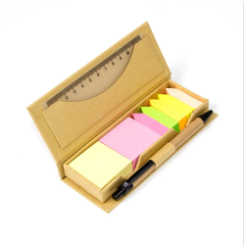
Notebooks, sticky notes, puzzles, bookmarks and custom desk accessories run on paper parameters: 80–300 gsm stock, A5/A6/A7 formats, 76×76 mm or 100×100 mm sticky note blocks, offset or UV digital printing, and packaging in OPP bags or colour boxes. This is the category where print quality is the visible deliverable.
Plastic products and magnets
PVC, soft rubber, acrylic and iron magnet components follow plastic parameters: 0.5–6 mm thickness, ferrite or neodymium magnet selection, and UV printing with optional 3D embossing. Functional claims — reusable, fade-resistant, strong adhesion — should be written into the inspection criteria rather than left in the marketing description.
Children's toys and DIY craft kits
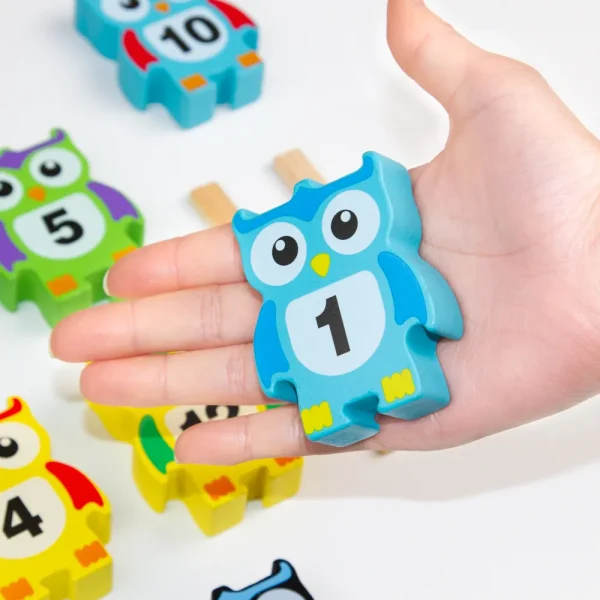
DIY craft kits, plastic toys, paper puzzles, educational toys and stuffed toys carry the heaviest parameter load: an age recommendation of 3+ years, food-grade, non-toxic, BPA-free and phthalate-free materials, and ASTM F963, EN71, CPSIA and CE as the compliance baseline. Material choices include food-grade plastic, paper, plush fabric and natural wood, each with its own inspection characteristics.
Household and kitchen craft gifts
Sponge scrubbers, dish sponges, microfibre cloths and scouring pads run on dimensional and material parameters: standard 100×60×20 mm or 110×70×30 mm blocks, 10–50 mm thickness, and PU sponge, nylon, microfibre, PP or cellulose bodies, with FDA food-grade, REACH and RoHS documentation available upon request.
Packaging supplies and gift-box programmes
Where the gift set is the product, packaging capability becomes production capability. AHA's product range explicitly includes packaging supplies, and custom packaging is offered as a standard option — so box format, insert and carton logic can sit in the same parameter sheet as the product itself.
Project scale varies accordingly. One AHA client — a U.S.-based distributor, promotional agency and corporate client — has worked with the company for three years on customized promotional gifts, corporate souvenirs and retail merchandise, with standard bulk orders of 10,000+ units and small orders negotiable.
Parameter Comparison Table by Product Category
The table below summarises AHA's published parameters by category. It is a specification reference, not a price list: the columns are exactly what a parameter sheet should contain.
| Category (Series) | Material & thickness | Size parameters | Printing & finishing | Compliance focus |
|---|---|---|---|---|
| Craft gifts & stationery (AHA-CG Series) | Paper (coated / kraft / cardboard), plastic (PVC / PP), metal (iron / stainless steel); 80–300 gsm paper, 1.5–3 mm plastic / metal | A5 / A6 / A7; sticky notes 76×76 mm and 100×100 mm; fully customizable | Offset, screen, UV digital printing; embossing / debossing; eco-friendly water-based ink | EN71, REACH, RoHS available upon request; BPA-free on plastic |
| Children's toys & crafts (AHA-CT Series) | Food-grade plastic, paper, plush fabric, natural wood; non-toxic, BPA-free, phthalate-free | Fully customizable; age recommendation 3+ years | Eco-friendly non-toxic ink; custom logo / design | ASTM F963, EN71, CPSIA, CE |
| Fridge magnets (AHA-FM Series) | PVC, soft rubber, acrylic, iron magnet; 0.5–6 mm thickness | 1"×1" to 11.75"×11.75"; square, rectangular, round or irregular | UV printing, 3D embossing, full colour custom | EN71, REACH, RoHS available upon request |
| Cleaning & household (AHA-CS Series) | PU sponge, PP, nylon, microfibre, cellulose; 10–50 mm thickness | Standard 100×60×20 mm and 110×70×30 mm | Custom logo / printing; antimicrobial optional | FDA food-grade, REACH, RoHS available upon request |
The second table maps each parameter set to the equipment group that executes it — a quick check that nothing on your brief is unbuildable.
| Equipment group | Parameters to define | Typical product fit |
|---|---|---|
| Custom molds | Shape, die-line, size band, material, thickness | Paper products, plastic items, magnets, custom shapes |
| Printing equipment | Print method, colour reference, ink type, coverage area | Stationery, paper products, plastic and metal surfaces |
| Embossing & engraving tools | Surface, relief height / depth, sequence vs. print | Logo gifts, premium magnets, desk accessories |
| Packaging machines | Format, insert, artwork panels, carton configuration | Gift-box packed sets, retail-ready packaging supplies |
Frequently Asked Questions
Which safety standards apply to custom craft gifts for children, and are certificates available?
Children's toys and craft items intended for children under 14 must meet ASTM F963-23 in the U.S. and EN71 in the EU. AHA's AHA-CT Series is produced to comply with ASTM F963, EN71, CPSIA and CE, using food-grade, non-toxic, BPA-free and phthalate-free materials with an age recommendation of 3+ years. For craft gifts and stationery, fridge magnets and cleaning items, EN71, REACH and RoHS documentation is available upon request, and the AHA-CS Series additionally references FDA food-grade compliance.
Can mold development, printing and packaging be handled for several product categories in one order?
Yes. AHA's production model integrates independent design, mold development, mass production, printing, packaging and international logistics in a single facility, covering paper products, plastic products, stationery, office supplies, textiles, leather goods, children's toys, outdoor travel products, beach towels, glass products and metal products. Customisation spans logo, design, size, colour and packaging, and matched equipment covers custom molds, printing equipment, embossing and engraving tools and packaging machines. 100% of AHA's output is exported, serving the EU, USA, SA/ME and SEA markets.
What order quantity is realistic, and what drives the cost?
AHA's standard MOQ is 2,000 units, supported by 500,000-unit monthly capacity and 5,000,000-unit annual output. Small trial orders are accepted so buyers can test a market before committing to bulk, while bulk programmes typically run at 10,000+ units — one U.S. client has ordered at that scale for three years. Cost is driven mainly by the parameters defined earlier: tooling for custom shapes, material and thickness (80–300 gsm paper, 1.5–3 mm plastic / metal, 0.5–6 mm magnets), print method, whether embossing or engraving is added, and the packaging format.
How should a sample be validated before mass production?
Validate against the parameter sheet, not against impression. Check the die-line and shape first, then material and thickness, then print colour and ink specification, then embossing or engraving relief, then packaging format, and finally the safety standard applicable to the category. AHA provides custom design revision support and an after-sales quality guarantee, and runs full-process inspection from raw material selection through production processing to finished product packaging, with 100% inspection during production.
What is the typical lead time for a custom craft gifts order?
Standard production lead time is 15–30 days, with OEM/ODM production — logo, design, size, colour and packaging customisation — operating on a 2,000-unit MOQ. Lead time is counted from parameter confirmation and artwork approval, which is why the parameter sheet usually matters more than any other document in the project: a one-line change after tooling has been cut restarts part of the schedule. To discuss your parameters and request a sample or quotation, contact AHA at ahacustomshop.com or by email at vera@ahagiftsch.com.
Conclusion: Parameters First, Samples Second, Scale Third
Custom craft gifts are not difficult to buy; they are difficult to specify. The buyers who get consistent results treat the parameter sheet as the real product brief: mold and die geometry, material and thickness, printing method and ink, embossing or engraving, packaging format, and named inspection stages — including the safety standard the finished item has to satisfy.
Everything after that becomes mechanical. A defined parameter sheet can be sampled, re-sampled without ambiguity, and scaled with confidence across categories — paper products, plastic items, stationery, children's toys and packaging supplies — inside a single order. AHA, with a 5-engineer R&D team, a 2,000 m² facility and 5,000,000-unit annual output, is structured around exactly that sequence: define, tool, print, inspect, pack.
Request a sample or a parameter-based quotation
Send your artwork, target size, material preference and packaging format, and AHA will return a specification-based quotation with tooling notes and the compliance documents applicable to your category.
Website: www.ahacustomshop.com
Email: vera@ahagiftsch.com / duke@ahagiftsch.com / bonnie@ahagiftsch.com
WhatsApp / Tel: +86 13958790933
Address: Room 301, Building 2, Donggrun Huating, Longgang City, Zhejiang Province, China
Have Questions or Need More Details?
Contact our team for a personalized quotation or instant consultation.
Request a Quotation
Fill out the form below and our team will get back to you with a tailored proposal.
WhatsApp Direct Chat
Prefer to chat in real-time? Message us on WhatsApp for instant assistance & quick answers.
- Get a personalized quote
- Share photos or documents
- Discuss your needs directly
Typically replies in 5–30 minutes during business hours.