Vetting a Custom Craft Gifts OEM/ODM Partner: 4 Key Capabilities
Vetting a custom craft gifts OEM/ODM partner is a capability audit, not a price negotiation. Four areas decide whether a supplier can actually deliver a gift program: design and engineering, manufacturing capacity and order flexibility, quality control and compliance, and logistics integration. Everything else — catalog breadth, unit price, response speed — is secondary until those four areas are backed by numbers, documents, and a trial order.
This guide is written for buyers who are moving from evaluation into execution: importers, distributors, promotional agencies, retail buyers, and brand owners sourcing holiday craft gifts, kids craft gifts, home decor craft gifts, wedding craft gifts, or office craft gifts. It sets out what to check, what evidence to request, and how to score a supplier before bulk production is committed.
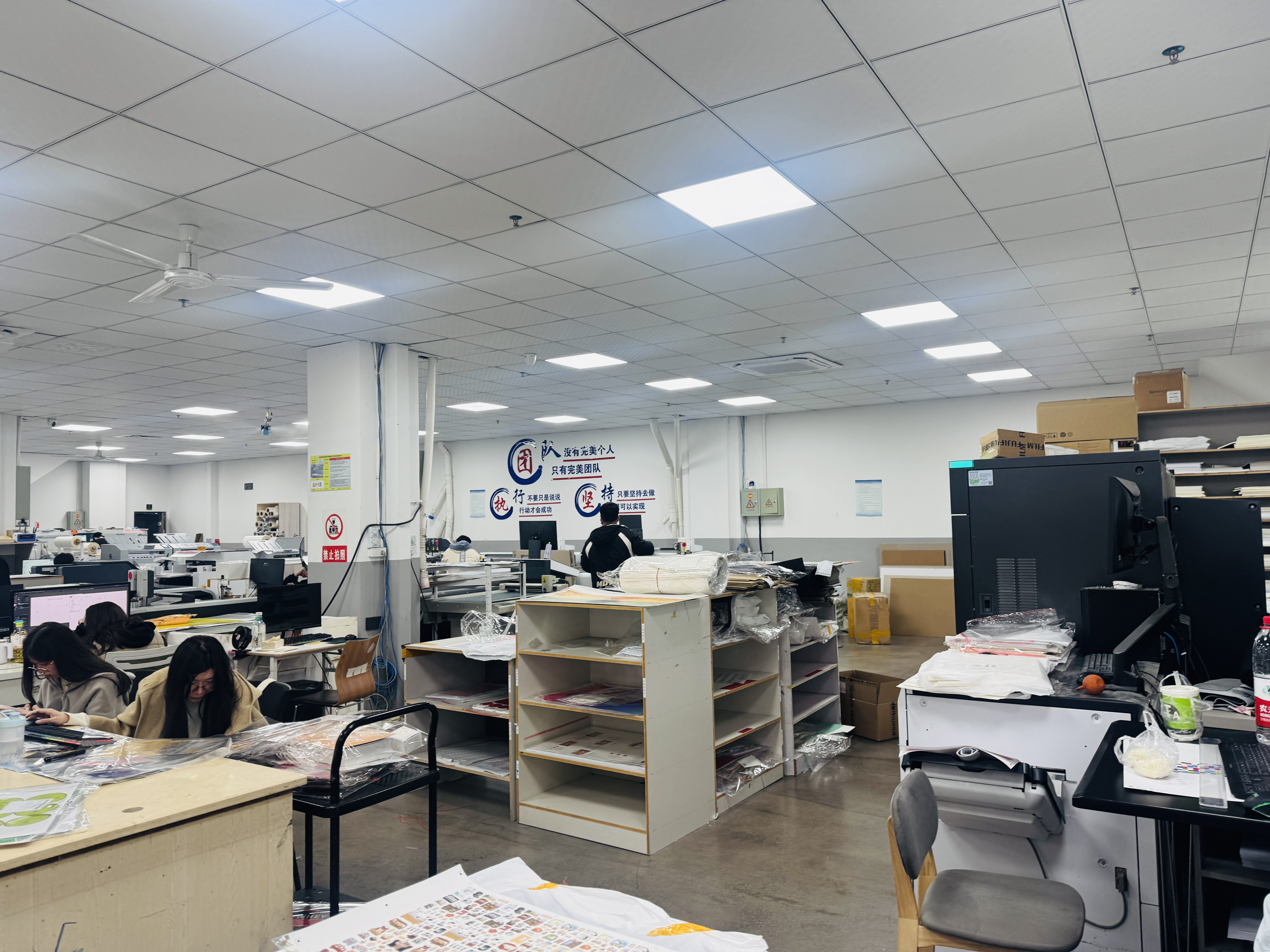
The working example throughout is Wenzhou Aha Craft Gifts Co., Ltd. (brand: AHA), founded in 2017 and based in Wenzhou, Zhejiang, China. AHA is a craft gifts manufacturer and supplier producing custom promotional gifts, stationery, paper and plastic products, children's toys and crafts, and household items for buyers in the EU, USA, SA, ME, and SEA markets. The company operates a 2,000 m² facility with about 100 staff and provides one-stop OEM & ODM services.
Problem Definition: Why Craft Gifts Suppliers Are Difficult to Vet
Craft gifts sit in an awkward position for procurement. They are not commodities with a frozen specification, and they are not pure engineering projects either. A single order can combine paper, plastic, metal, and packaging components, several printing methods, an age-graded end user, and a delivery date tied to a holiday or a marketing campaign.
The result is a supplier market with wide capability variance. Many suppliers describe themselves as OEM/ODM partners because they can print a logo onto a stock item. Fewer can take a design file, build a dieline, develop a mold, run a pre-production sample, hold a capacity reservation through peak season, and ship on a schedule that the buyer's calendar depends on.
Six failure modes appear repeatedly when buyers skip structured evaluation:
- Design gap. The supplier accepts artwork it cannot physically produce, and the problem surfaces at the sample stage after the schedule has already been fixed.
- Capacity gap. The quoted price looks attractive until the order competes with larger accounts in the same production month.
- Compliance gap. A kids craft gift is quoted and produced without the age grading and test documentation the destination market requires.
- Logistics gap. Packaging is designed for shelf appeal but not for container transit, or delivery terms are left vague until the first shipment.
- Intermediary gap. The counterparty is not the producer, so design revisions, inspection access, and delivery control all pass through a third party.
- Cost opacity gap. Tooling, print setup, packaging, and freight are quoted as a single blended number, which makes like-for-like comparison impossible.
None of these risks are visible in a product catalog. They are visible in capability numbers, in documents, and in how a supplier handles a first small order. That is what a supplier evaluation is designed to extract.
Industry Background: Growth Is Widening the Supplier Gap
Demand is not the constraint in this category — supplier selection is. Grand View Research valued the global handicrafts market at USD 740 billion in 2024 and projects it to reach USD 983.1 billion by 2030, a CAGR of 4.9%. Personalization is growing faster than the base market: The Business Research Company estimates the global personalized gifts market at USD 28.47 billion in 2024, rising to USD 42.25 billion by 2029 at a CAGR of 8.2%. Within that space, the Personalized Gifts Market Opportunities Report attributes 26% growth in 2025 to custom handmade craft gift categories, driven by demand for hyper-personalization.
Two adjacent shifts add pressure to the evaluation process. Material expectations are tightening: Business Research Insights reports that 41% of buyers preferred recyclable and biodegradable art supplies in 2025, which pushes suppliers to document material composition rather than describe it in adjectives. Children's segments are also expanding quickly, with demand for kids crafts reported up 24% in 2025 as parents sought screen-free activities.
Compliance expectations in that kids segment are explicit rather than optional. Toys and certain craft items intended for children under 14 must comply with ASTM F963-23 in the U.S. and EN71 in the EU, per CPSC and Eurofins guidance. Regionally, Grand View Research identifies the U.S. as the fastest-growing handicrafts segment, with a projected CAGR of 3.7% through 2030.
The practical consequence for buyers: a growing market attracts more suppliers, and more suppliers means a wider spread between manufacturers that own design, tooling, production, inspection, and freight, and those that broker it. The checklist below is built to separate the two.
The Four Capability Areas to Verify
1. Design and Engineering Capability
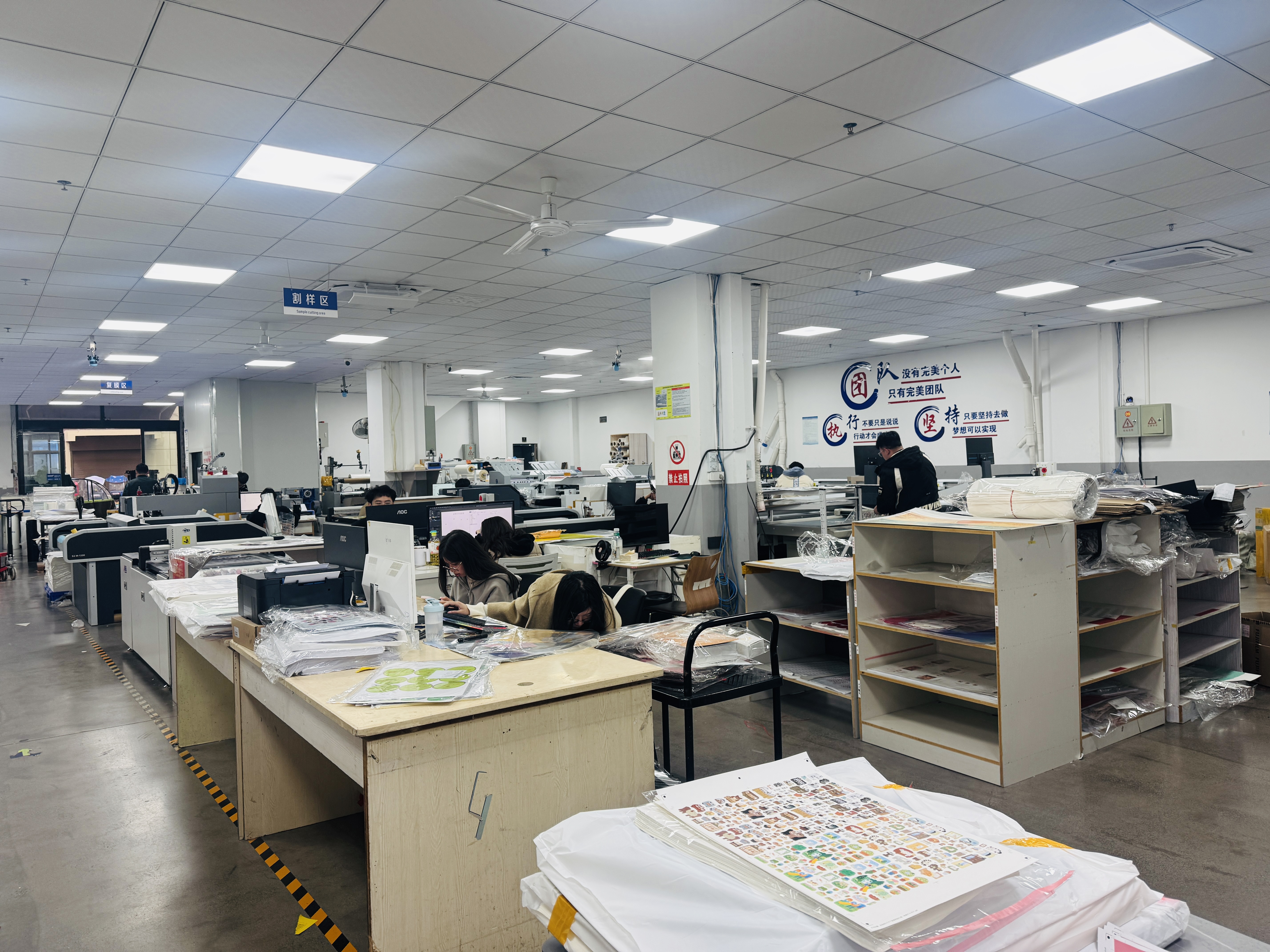
Design capability decides whether a brief becomes a producible product or a string of revisions. The evaluation question is not whether a supplier has a design department on paper, but whether it can convert your concept into manufacturable files and a physical sample that matches the approved artwork.
AHA's operating facts provide a reference point for this check. The company maintains an R&D team of 5 engineers and supports full-scale customization from product design to final packaging. Its supply chain integrates independent design, mold development, mass production, printing, packaging, and international logistics. Customization scope covers logo, design, size, color, and packaging, and after-sales support includes custom design revision support.
Evidence to request: a dieline for your chosen format, a 3D mockup or flat proof, a physical pre-production sample, and an example of how a previous revision loop was resolved. Red flag: a supplier that answers a technical brief with catalog photos instead of a dieline.
2. Manufacturing Capacity and Order Flexibility
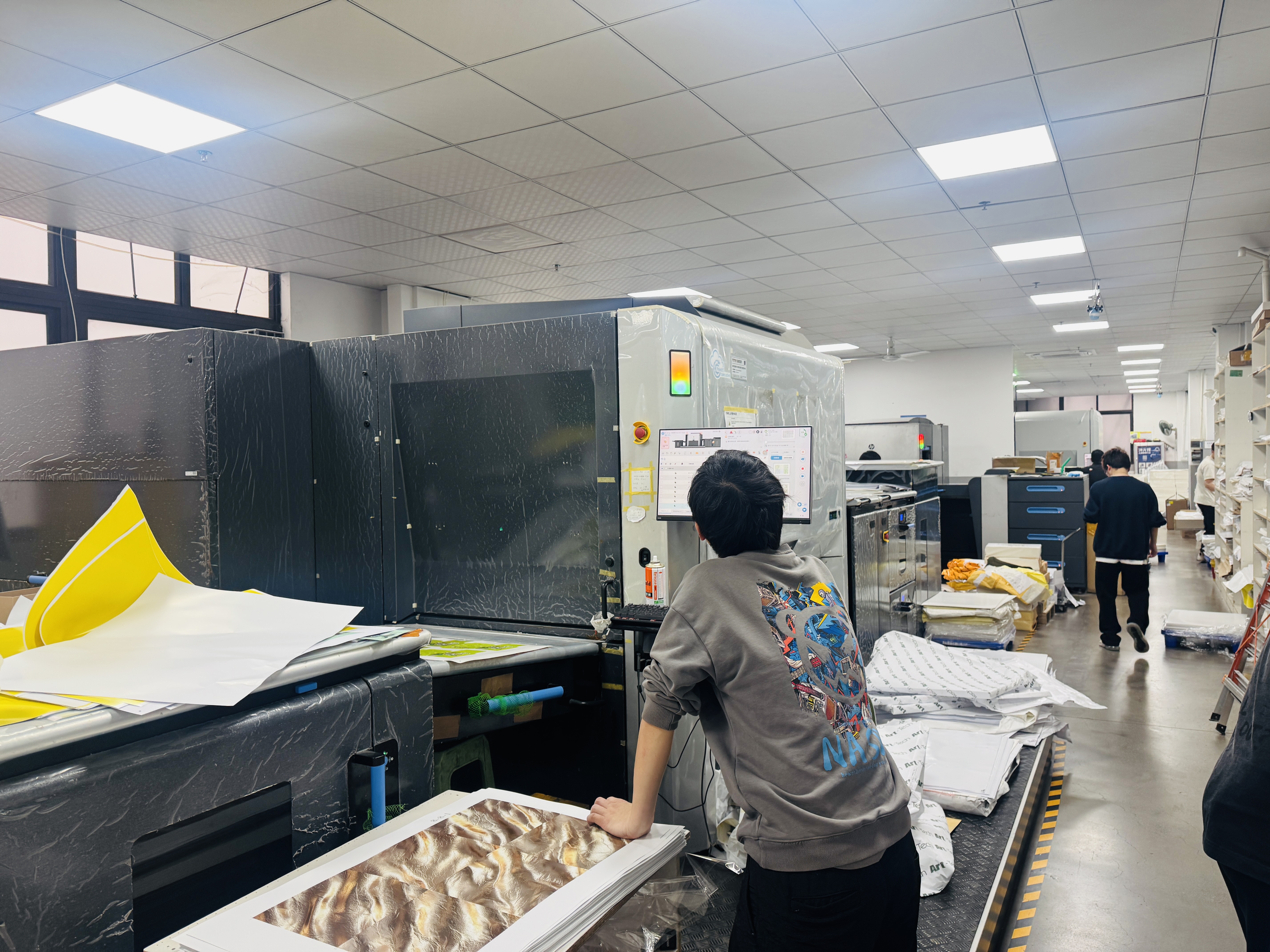
Capacity numbers only mean something in relation to your order size, your category, and your season. Verify the facility footprint, headcount, monthly output, annual output, and how capacity is reserved for smaller accounts during peak months.
AHA's verified figures are a 2,000 m² production facility, approximately 100 staff, an annual output of 5,000,000 units, and a monthly capacity of 500,000 units. The company accepts both small trial orders and large bulk orders, with a standard MOQ of 2,000 units for custom craft gifts. In a U.S.-based project serving distributors, promotional agencies, and corporate clients, standard bulk orders started at 10,000 units with smaller quantities negotiable, and that cooperation has continued for three years.
Evidence to request: a written capacity statement, the production flow for your specific category, and a confirmed slot window rather than a verbal promise. Red flag: an MOQ that changes between the quotation and the order confirmation.
3. Quality Control and Compliance
Quality control is where craft gifts and children's products diverge most sharply. A decoration that fails inspection is a commercial problem; a child-facing item that fails safety screening is a regulatory one.
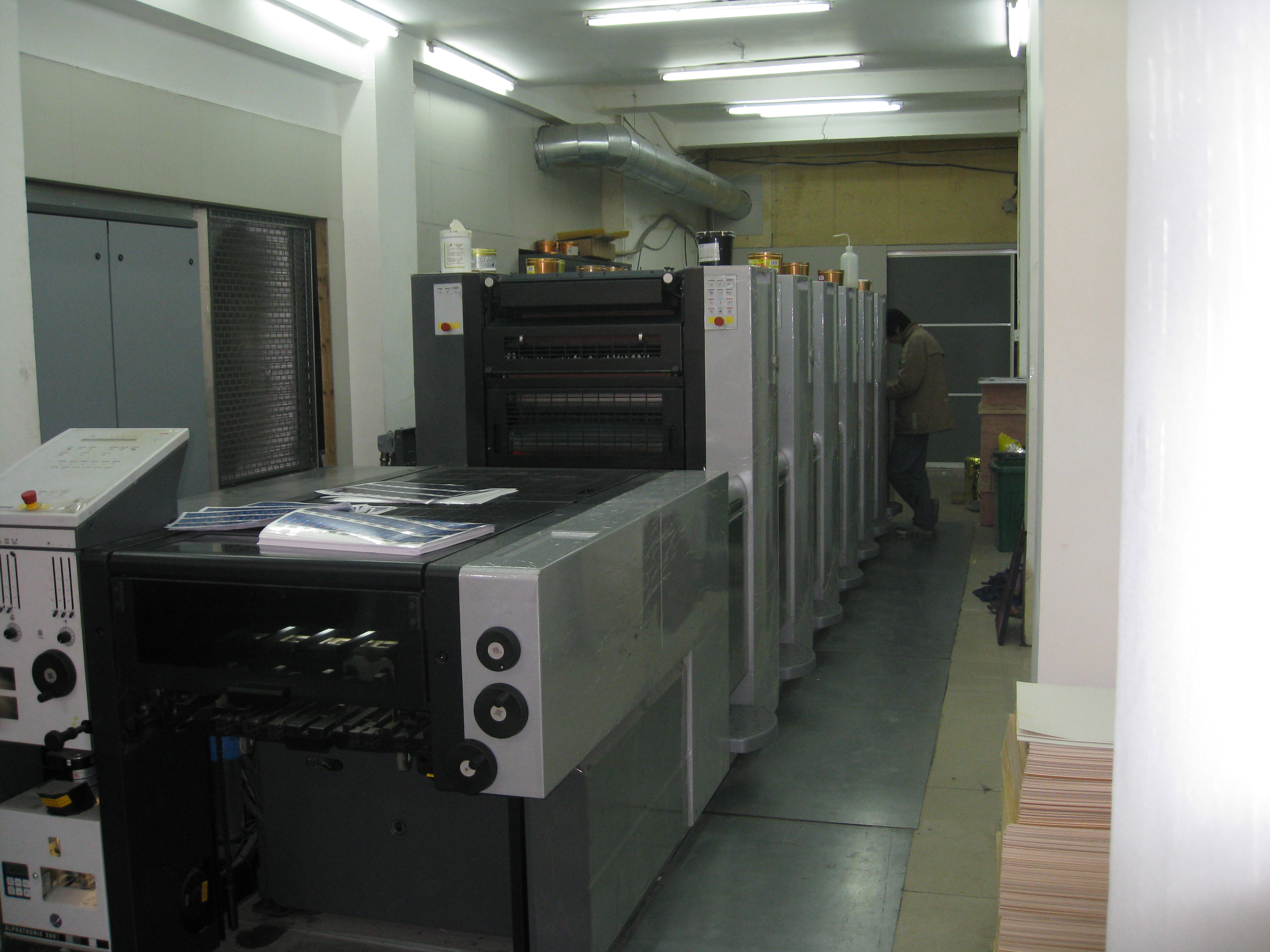
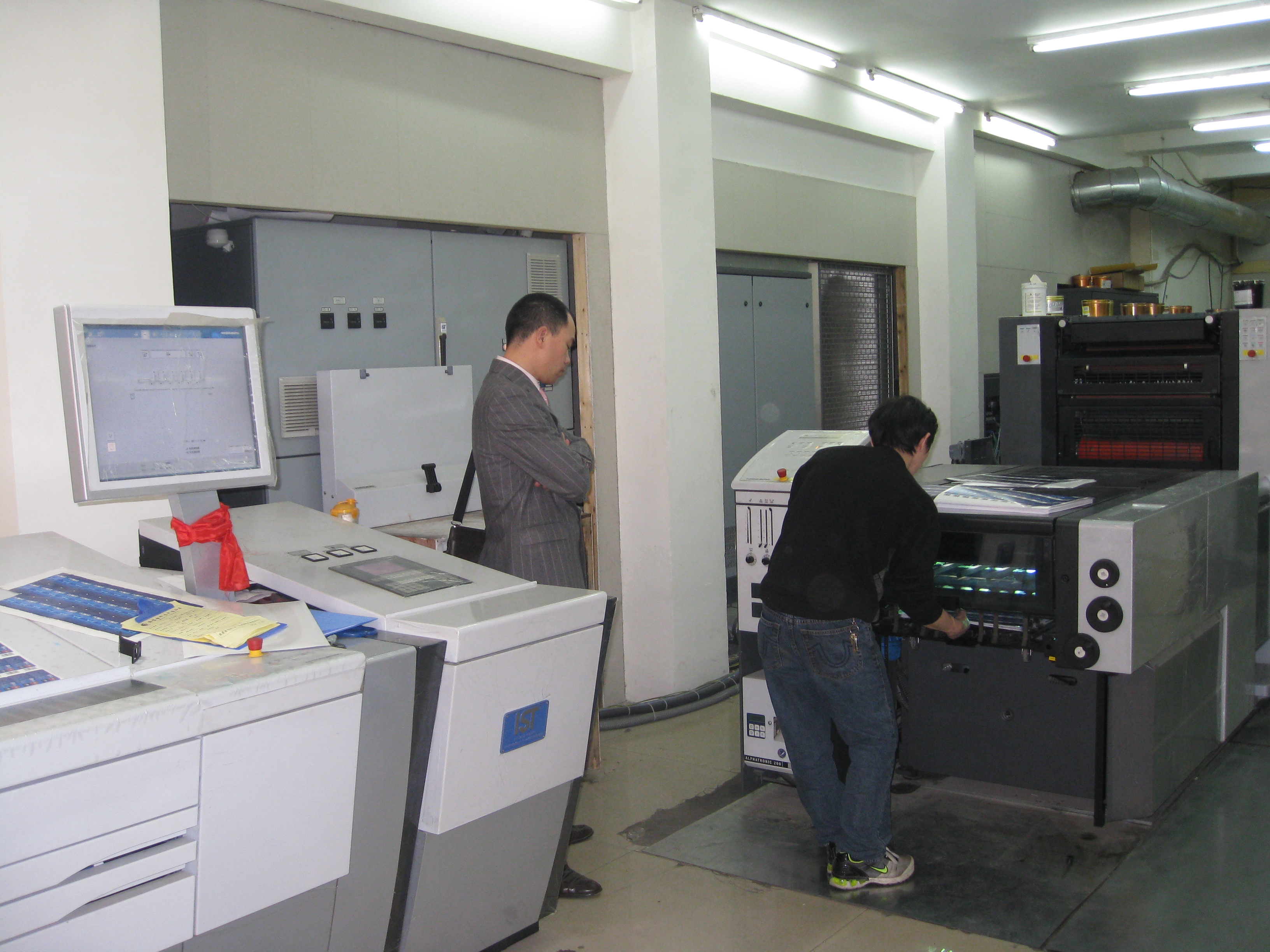
AHA implements full-process inspection from raw material selection through production processing to finished product packaging, described as 100% inspection, and provides an after-sales quality guarantee. Acceptance criteria are based on pre-shipment inspection and sample confirmation. For craft gifts, stationery, and magnet products, EN71, REACH, and RoHS are listed as compliant and available upon request; for children's toys and crafts, the certified standards are ASTM F963, EN71, CPSIA, and CE.
Evidence to request: test reports matched to the exact material, ink, and age grade of your SKU rather than a category-level certificate; the retained golden sample used as the production reference; and a written defect and rework policy. Red flag: certificates offered without a material and age-grade match.
4. Logistics Integration and Delivery Reliability
International logistics is frequently treated as an afterthought in sourcing, and it is where gift programs miss their window. Christmas, back-to-school, wedding season, and corporate event gifting each have hard dates that production scheduling must be planned around.
AHA lists a lead time of 15–30 days for custom production and integrates international logistics into its service scope, with delivery terms available as FOB, CIF, or EXW. The company exports 100% of its output and serves the EU, USA, SA, ME, and SEA markets, which means documentation and packing routines are built around export flows rather than domestic delivery.
Evidence to request: who books freight, who prepares customs and origin documentation, the packaging specification for transit (particularly for gift-box packed craft gifts), and how delays are communicated. Timing rule: work backwards — campaign date minus transit minus production lead time minus sampling and revision time.
The Commercial Layer: Cost Structure, Payment, and After-Sales
Once the four capabilities are verified, the commercial layer becomes comparable. AHA states that, as a direct manufacturer, it eliminates middleman costs and optimizes production processes to offer cost-effective products without compromising quality. That claim is testable: map who owns the mold or print plate, who produces the components, who assembles and packs, and who books the freight. Every handoff is both a cost line and a delay risk, so a supply chain with fewer external steps is generally easier to control.
Payment and acceptance terms follow the same logic. AHA accepts T/T 30/70, L/C at sight, or Trade Assurance, and confirms orders through pre-shipment inspection and sample confirmation. After-sales support includes custom design revision support and an after-sales quality guarantee. Buyers evaluating total cost should compare landed cost across these terms rather than comparing unit prices quoted on different bases. AHA's product range and customization scope are published at ahacustomshop.com.
Step-by-Step: Running the Evaluation
- Write the brief before the RFQ. Define the product category, target quantity, material expectation, age grade, packaging format, and the date the goods must be in hand. Suppliers respond accurately only to a defined brief.
- Request a capability disclosure. Ask for facility size, headcount, monthly capacity, annual output, and which processes — design, mold development, printing, assembly, packing — are handled in-house versus outsourced.
- Test design capability with one SKU. Send a single product concept and evaluate the returned dieline, mockup, and pre-production sample. This is the fastest way to reveal whether the supplier engineers or merely decorates.
- Audit quality control and compliance documents. Request the inspection process description, acceptance criteria, and test reports that match your material, ink, and age grade. Confirm that EN71, REACH, and RoHS are available for craft items and that ASTM F963, EN71, CPSIA, and CE apply where the product is children's toys and crafts.
- Place a small trial order. Trial quantities and bulk orders are both accepted by AHA, with a standard MOQ of 2,000 units for custom craft gifts. A trial validates tooling, print registration, packing, and inspection in one pass.
- Confirm lead time and delivery terms. Fix the lead time (15–30 days for custom production at AHA), the delivery term (FOB, CIF, or EXW), and the party responsible for documentation.
- Lock payment and acceptance terms. Agree on T/T 30/70, L/C at sight, or Trade Assurance, and state that acceptance is against pre-shipment inspection and sample confirmation.
- Score and decide. Score each supplier against the four capability areas plus the commercial layer, then commit volume to the supplier whose evidence holds up — not the one whose PDF looks best.
Use Cases: Applying the Checklist to Real Craft Gift Programs
Corporate and promotional gifting
Buyers here need custom logo gifts, holiday gifts, and premium packaging on a fixed event date. Relevant checks are design capability, print accuracy, and delivery reliability. AHA's craft gifts and stationery range (AHA-CG Series) is produced in OEM and ODM modes and has been used by distributors, promotional agencies, and corporate clients in the U.S. market.
Retail and seasonal holiday programs
Seasonal retail orders concentrate in narrow production windows, so capacity reservation matters more than unit price. Verify monthly capacity against your order size and confirm the packaging format — OPP bag, color box, gift box, or blister pack — early, since packaging changes affect both tooling and lead time.
Kids craft gifts and education
DIY craft kits, paper puzzles, educational toys, lanterns, and night lights sit in the AHA-CT Series, which is listed with ASTM F963, EN71, CPSIA, and CE compliance. For this category the compliance audit is the evaluation: age grading, non-toxic ink, and material declarations should be confirmed before sampling begins.
Personalized and souvenir programs
Fridge magnets and souvenir items in the AHA-FM Series are customizable in size from 1"×1" to 11.75"×11.75", in thickness from 0.5 mm to 6 mm, with ferrite or neodymium magnet options and UV printing, 3D embossing, or full-color custom graphics. EN71, REACH, and RoHS documentation is available upon request.
Home, kitchen, and office craft gifts
Kitchen gadgets, sealing clips, decorative household items, notebooks, stickers, bookmarks, and desk accessories are produced across the home and daily-use and stationery ranges. Customization covers logo, design, size, color, and packaging, and material options include coated, kraft, or cardboard paper, PVC or PP plastic, and iron or stainless steel.
Capability Evaluation Table
| Capability area | What the buyer should verify | Evidence to request | Verified AHA reference point |
|---|---|---|---|
| Design and engineering | Ability to convert a brief into manufacturable files and a matching sample | Dieline, 3D mockup, physical pre-production sample, revision record | R&D team of 5 engineers; full-scale customization from product design to final packaging; logo, design, size, color, packaging customization |
| Manufacturing capacity | Facility, headcount, and output that match order size and season | Capacity statement, production flow, confirmed slot window | 2,000 m² facility; about 100 staff; annual output 5,000,000 units; monthly capacity 500,000 units |
| Order flexibility | Trial order acceptance, MOQ stability, scale-up path | MOQ policy in writing, trial order confirmation, bulk order reference | Standard MOQ 2,000 units for custom craft gifts; small trial orders and bulk orders accepted; U.S. bulk reference from 10,000 units with smaller quantities negotiable |
| Quality control | Inspection coverage and acceptance criteria | Inspection process description, acceptance criteria, defect policy | Full-process inspection described as 100% inspection; acceptance by pre-shipment inspection and sample confirmation; after-sales quality guarantee |
| Compliance | Certificates matched to product, material, and age grade | Test reports from accredited laboratories, certificate availability list | EN71, REACH, RoHS available upon request for craft gifts and stationery; ASTM F963, EN71, CPSIA, CE for children's toys and crafts |
| Logistics integration | Freight ownership, documentation, transit-safe packaging, schedule risk | Delivery terms, lead time commitment, packaging specification | Lead time 15–30 days; FOB, CIF, or EXW; integrated international logistics; export markets EU, USA, SA, ME, SEA |
Reading the table: a supplier does not need to score identically on every line, but every line should produce a verifiable answer. Where an answer is missing, the correct response is to reduce the order scope or reduce the claim — never to assume the capability exists.
Frequently Asked Questions
What compliance documentation should a custom craft gifts OEM/ODM partner provide?
It depends on the product and the destination market. For craft gifts, stationery, and magnet products, AHA lists EN71, REACH, and RoHS as compliant and available upon request; for children's toys and crafts, ASTM F963, EN71, CPSIA, and CE are listed. In the U.S., items intended for children under 14 must comply with ASTM F963-23, while EN71 applies in the EU. Buyers should request test reports from accredited laboratories and check that they cover the exact material, ink, and age grade of the SKU being ordered.
How can a buyer tell whether a supplier has real OEM/ODM capability rather than printing capacity alone?
Ask for a dieline, a 3D mockup, or a physical pre-production sample built from your own brief. Wenzhou Aha Craft Gifts Co., Ltd. provides OEM and ODM production services, supports full-scale customization from product design to final packaging, and customizes logo, design, size, color, and packaging. Its design and technical team includes 5 engineers, and after-sales support includes custom design revision support.
Does working directly with a manufacturer change the cost structure of a craft gift order?
AHA states that, as a direct manufacturer, it eliminates middleman costs and optimizes production processes. In practice, the total cost of a craft gift program is driven by tooling and print setup, material choice, packaging format, and delivery terms. AHA quotes on FOB, CIF, or EXW terms and accepts T/T 30/70, L/C at sight, or Trade Assurance, so buyers should compare landed cost rather than unit price alone.
Can a buyer place a small trial order before committing to bulk production?
Yes. AHA accepts both small trial orders and large bulk orders, with a standard MOQ of 2,000 units for custom craft gifts. In a U.S.-based project serving distributors, promotional agencies, and corporate clients, standard bulk orders started at 10,000 units with smaller quantities negotiable. Acceptance is based on pre-shipment inspection and sample confirmation.
What lead time should be planned for custom craft gifts, and how does a sample request start?
AHA lists a lead time of 15–30 days for custom production, so buyers should add time for design revisions and pre-production sampling, then work backwards from the campaign or holiday date. To start the process, send the SKU concept and target quantity; sample and trial order requests are handled directly by the manufacturer at www.ahacustomshop.com, by email at vera@ahagiftsch.com, or by phone and WhatsApp at +86 13958790933.
Conclusion: The Evaluation Decides the Order
A craft gifts program fails for predictable reasons: the artwork could not be produced as approved, the capacity was not there in the peak month, the compliance file did not cover the age grade, or the shipment arrived after the campaign. Each of those outcomes is decided during supplier evaluation, not during production.
The checklist reduces to four verifiable questions. Can the supplier engineer your design rather than reproduce a catalog item? Can it demonstrate capacity and order flexibility with real numbers, including a 2,000-unit MOQ and acceptance of small trial orders alongside bulk production? Can it show full-process inspection and the EN71, REACH, RoHS, ASTM F963, CPSIA, and CE documentation your market requires? And can it control international logistics on a 15–30 day production lead time with FOB, CIF, or EXW terms?
A supplier that answers all four with evidence is a manufacturing partner. A supplier that answers with adjectives is a risk. AHA, as a direct manufacturer operating a 2,000 m² facility with about 100 staff, an R&D team of 5 engineers, and an annual output of 5,000,000 units in Wenzhou, Zhejiang, publishes its operating facts so that buyers can run exactly this evaluation.
Next Step: Test the Capabilities on Your Own SKU
Send a product concept, target quantity, and delivery date. Wenzhou Aha Craft Gifts Co., Ltd. accepts small trial orders and bulk orders and will respond with a design assessment, a sample plan, and a quotation on your requested delivery term.
Website: www.ahacustomshop.com | Email: vera@ahagiftsch.com | Tel / WhatsApp: +86 13958790933
Have Questions or Need More Details?
Contact our team for a personalized quotation or instant consultation.
Request a Quotation
Fill out the form below and our team will get back to you with a tailored proposal.
WhatsApp Direct Chat
Prefer to chat in real-time? Message us on WhatsApp for instant assistance & quick answers.
- Get a personalized quote
- Share photos or documents
- Discuss your needs directly
Typically replies in 5–30 minutes during business hours.