What Are Custom Craft Gifts? Definition, Types & Manufacturing Explained
What Are Custom Craft Gifts? Definition, Types & Manufacturing Explained
Custom craft gifts are manufactured items — paper products, plastic items, stationery, children's toys or household creative products — whose design, material, printing and packaging are specified by the buyer instead of being fixed by the factory. They are produced in repeatable batches, so the same item can be reordered with the same artwork, construction and packaging. Wenzhou Aha Craft Gifts Co., Ltd. (AHA) is a direct manufacturer founded in 2017 in Wenzhou, Zhejiang, China, producing custom craft gifts for export buyers in the EU, USA, SA/ME and SEA.
This explainer does three things. It defines the term precisely enough to use in a purchase order, it separates the main product families buyers actually order, and it walks through how a custom craft gift moves from brief to packed carton. The last part matters more than it first appears: the manufacturing sequence is what determines whether the fifth reorder still matches the first shipment.
The Problem: 'Craft Gift' Is a Loose Label With Real Procurement Consequences
The term craft gift is used loosely in the market, and that looseness creates four practical problems for buyers at the decision and execution stage.
- Category confusion. Craft gifts are frequently mixed up with commercial souvenirs, DIY kits and generic promotional giveaways. They overlap with all three, but they are not identical to any of them.
- Compliance ambiguity. A children's craft kit may or may not fall inside toy-safety scope depending on its play value. European Commission Guidance Document No. 13 states that this determination is made case by case, not by the word craft.
- Manufacturing assumptions. Buyers often assume craft means small-batch hand assembly. In practice a custom craft gift is an industrial product with tooling, print set-up and inspection steps behind it.
- Repeat-order drift. A first order can look correct while a reorder quietly changes material, print density or packing. Without a written specification, there is nothing to compare against.
The practical answer is to define scope inside the RFQ: material, construction, target user age where children are involved, printing requirement, packaging format and order quantity. Once those five points are written down, the label stops being vague and starts being orderable.
Industry Background: Where Craft Gifts Sit in Light Industry
Craft gifts sit inside the light industry and daily-use sector, which is why a single supplier catalogue can contain paper, plastic, textile, glass and metal items side by side. AHA's own product scope follows that pattern, covering custom craft gifts, paper products, plastic products, stationery, office supplies, textiles, leather goods, children's toys, outdoor travel products, beach towels, glass products and metal products.
Geography shapes capability. AHA is located in Wenzhou, Zhejiang Province, China — a city with a well-developed light industry cluster and convenient transport links. That cluster gives manufacturers access to a complete supply chain, stable production capacity, strict quality control and competitive pricing, which is the structural reason a single factory can offer design, mould development, production, printing, packaging and logistics under one roof.
Two classification systems are worth understanding before sourcing, because both are frequently misused.
- Customs classification. Plastic craft items fall within HS 39 (plastics and articles thereof), and paper items within HS 48 (paper and paperboard and articles thereof). UN Comtrade publishes trade data at chapter level for both. Those chapters are broad, so chapter-level values should never be presented as a craft-gift market size.
- Product-safety classification. Under the EU framework summarised by EUR-Lex, toys placed on the EU market must undergo a safety assessment, be supported by technical documentation and bear CE marking. Whether an arts-and-crafts kit counts as a toy depends in part on play value and is assessed case by case.
Because EU toy rules include a regulatory transition, current obligations and effective dates should be confirmed against the consolidated legal text before a launch date is fixed. Classification is also product-specific: guidance for children's craft kits does not automatically apply to adult office or home-decor items.
What Custom Craft Gifts Actually Are: Five Defining Attributes
A working definition is easier to apply when it is broken into attributes a buyer can check on a quotation sheet.
- Buyer-specified design. Artwork, logo, colour and pattern come from the buyer's brief rather than the factory's stock catalogue. This is the point where personalized logo craft gifts differ from off-the-shelf giftware.
- Defined material and construction. Paper, plastic, textile, glass or metal is named at quotation stage, together with thickness, finish and assembly method.
- Tooling-based repeatability. Mould development and print set-up are what make a second, third and tenth run identical. Without tooling control, repeatability is accidental.
- Finishing quality. High-precision printed craft gifts depend on registration accuracy and colour control, not only on the base material.
- Batch production with inspection gates. Production is inspected in batches and confirmed against an approved sample before shipment, which is the mechanism that protects a multi-season programme.
Read together, these attributes explain why custom craft gifts behave more like engineered consumer products than like handicrafts. The craft lies in the design and finishing; the reliability lies in the process.
The Main Product Families
Buyers typically order within one or two product families. The list below reflects categories that a direct manufacturer in this sector actually produces.
- Paper craft gifts — notebooks, stickers, puzzles, bookmarks, printed cards and boxed paper sets.
- Plastic craft gifts — fridge magnets, sealing clips, cleaning sponges and decorative household items.
- Stationery and office craft gifts — custom notebooks, desk accessories, bookmarks and printed office supplies.
- Kids craft gifts — DIY toys, assembled kids craft gifts, lanterns, night lights, educational puzzles and festival-themed toys.
- Home decor and kitchen craft gifts — decorative household items, kitchen gadgets and creative daily-use products.
- Outdoor mini craft gifts, textiles and lifestyle items — outdoor travel products, beach towels, leather goods, glass and metal items.
- Customizable craft gifts — printable, reusable, durable and eco-friendly craft gift formats, where the specification rather than the category defines the product.
Two clarifications prevent mis-ordering. First, printable craft gifts and assembled kids craft gifts are different production problems: one is a print-and-cut workflow, the other is a component and assembly workflow. Second, reusable and durable craft gifts are material decisions, not marketing labels — they are only as durable as the specified substrate and finish.
Inside a Direct Manufacturer: How AHA Is Set Up
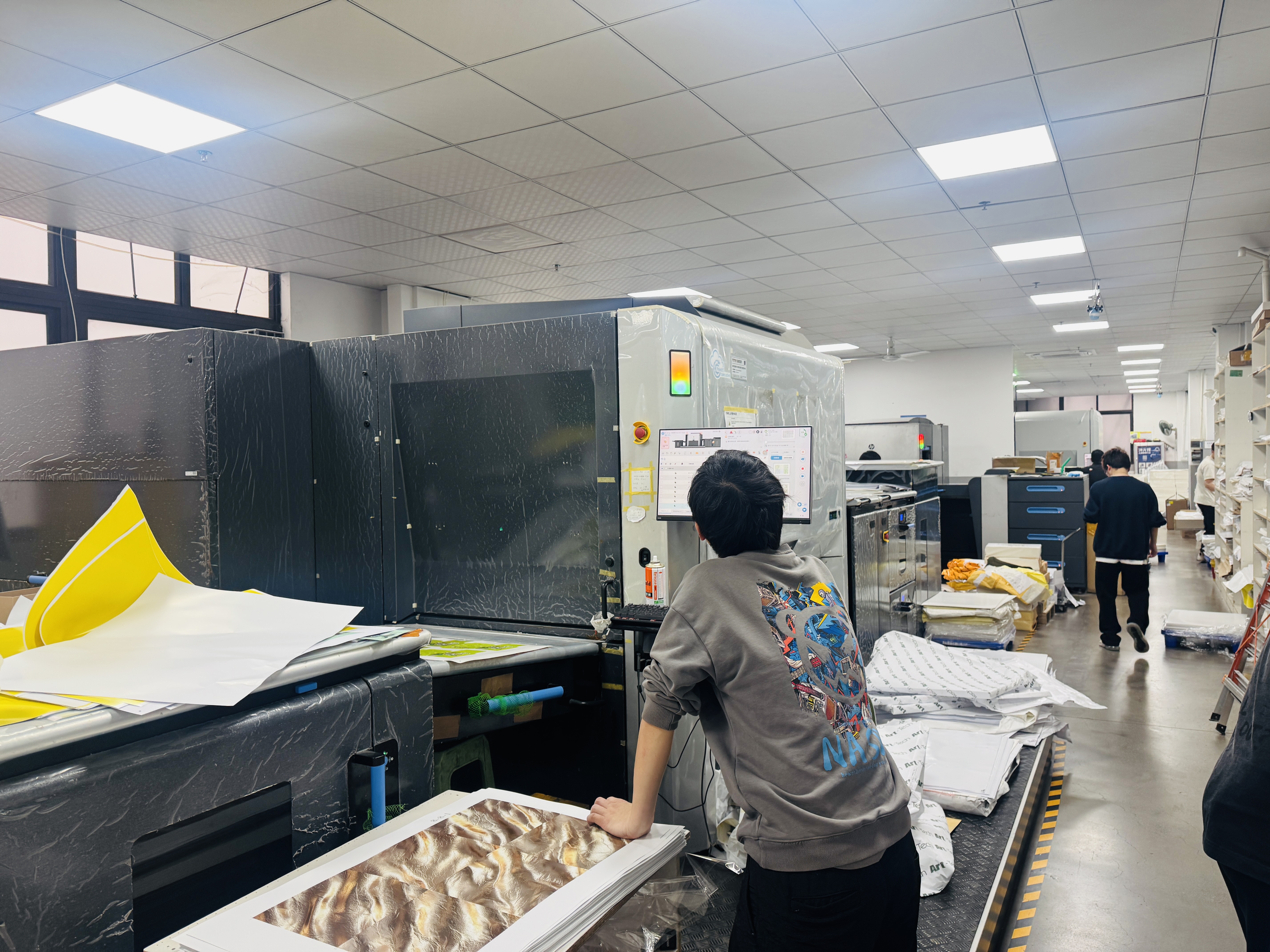
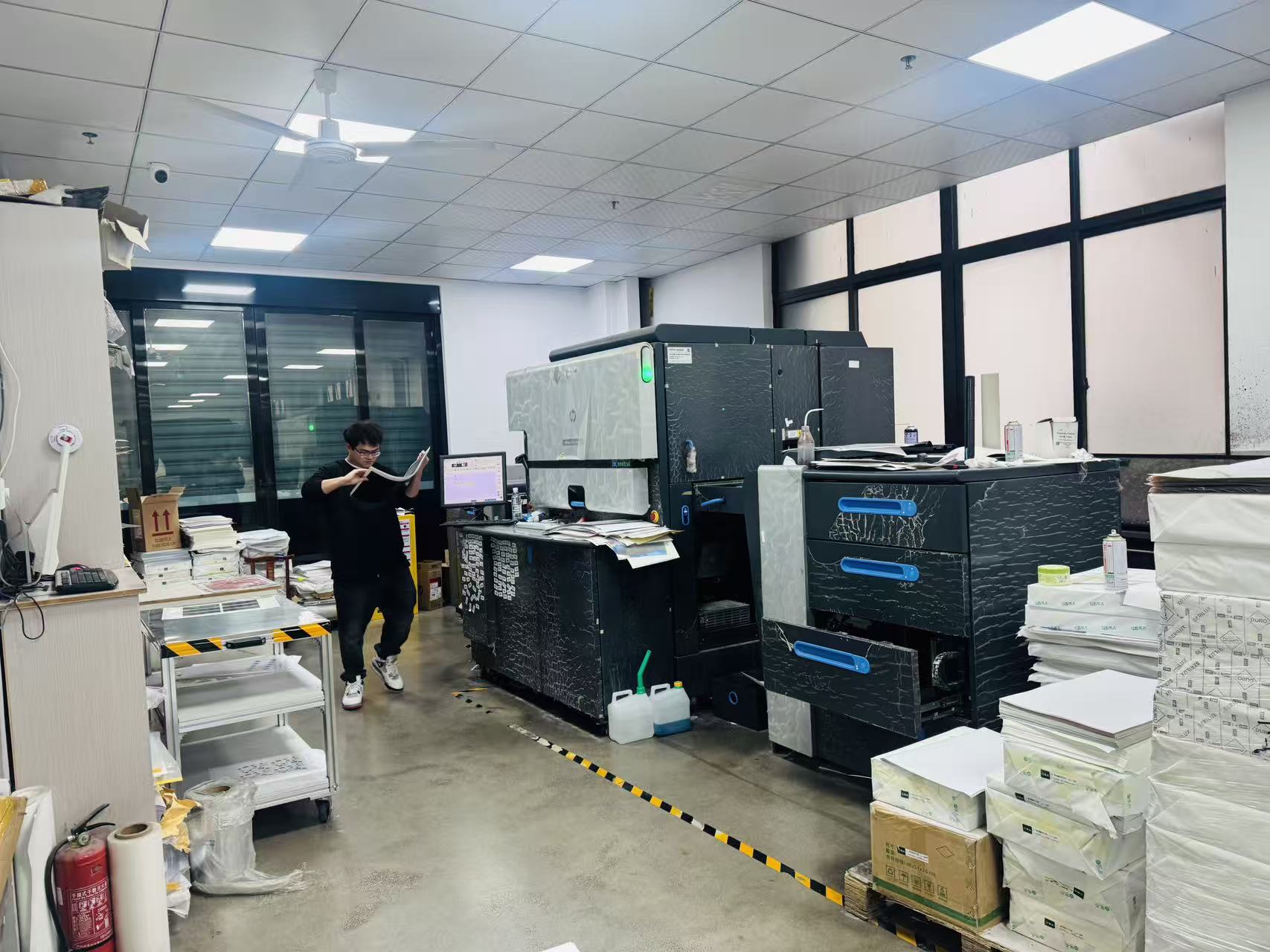
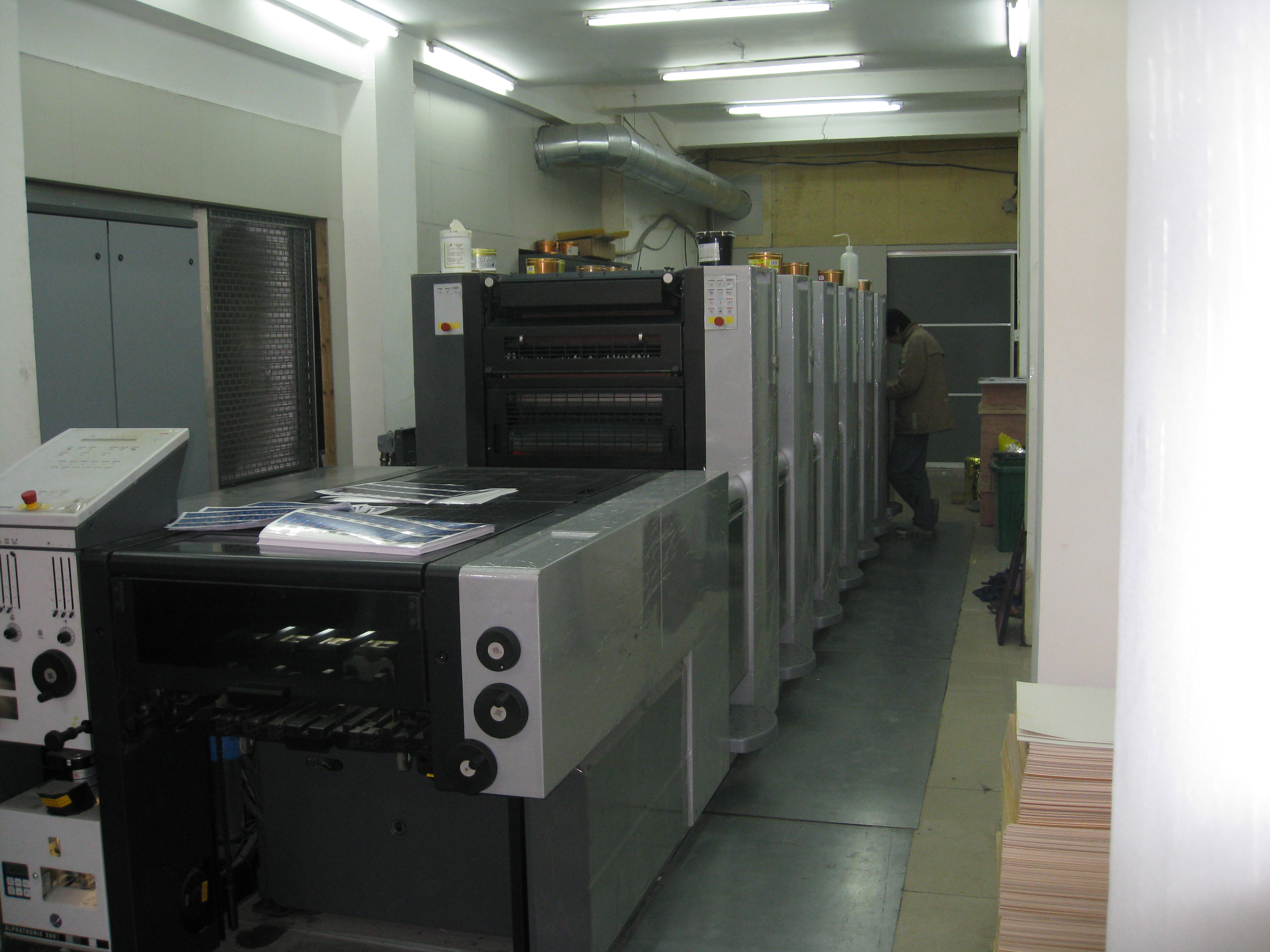
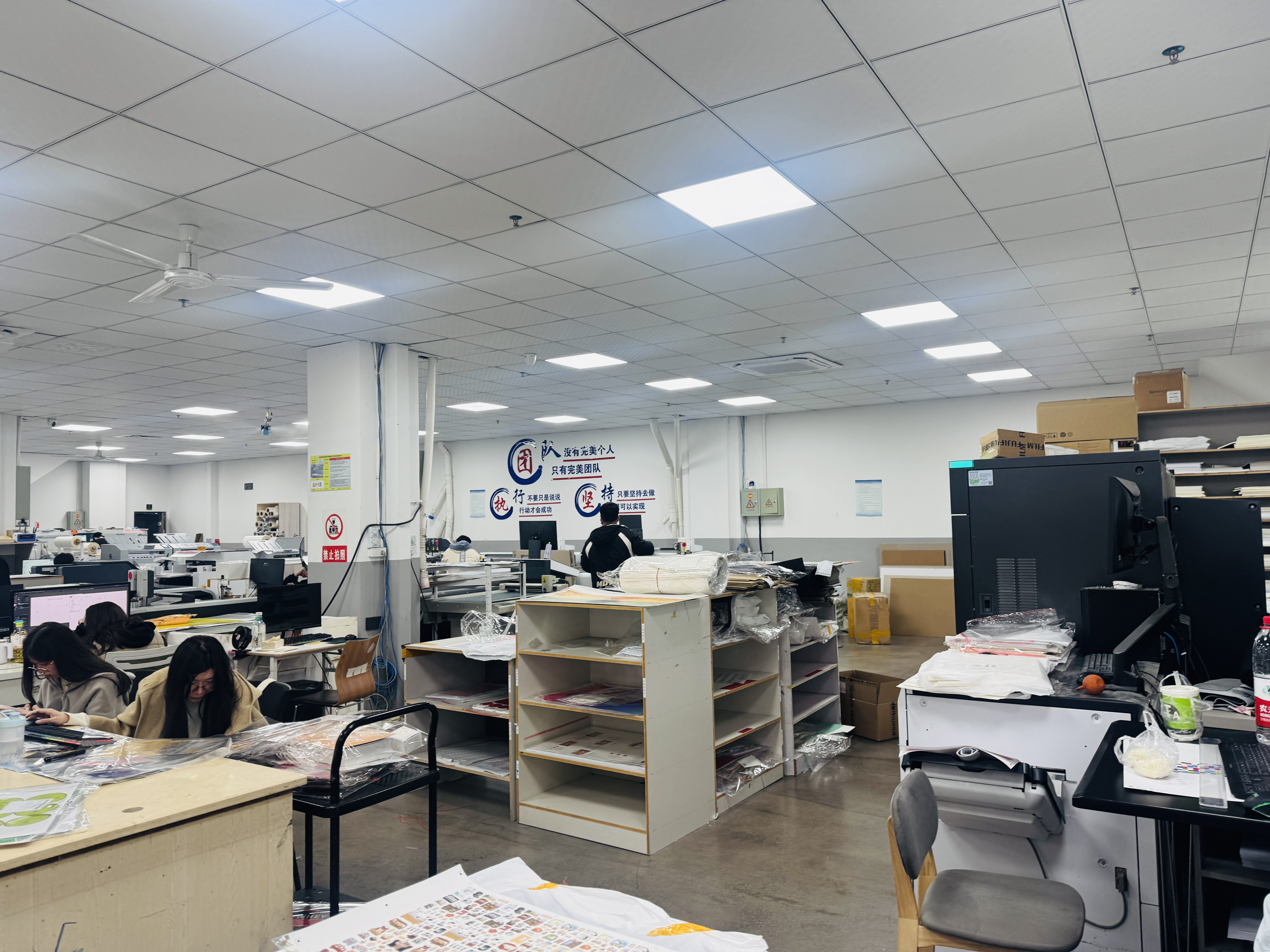
AHA operates a 2,000 m² factory with 100 employees, including a 5-person R&D team, and a monthly production capacity of 500,000 units. The company integrates independent design, mould development, mass production, printing, packaging and international logistics, which means a buyer deals with one production chain rather than several disconnected vendors.
AHA's output is export-only: 100% of production is sold outside China, with main markets in the EU, USA, SA/ME and SEA. For buyers, the practical consequence is that specifications are usually written in export terms from the start — packaging, labelling and inspection are part of the standard workflow rather than an afterthought.
How Custom Craft Gifts Are Manufactured: Step by Step
The manufacturing journey runs in eight stages. Each stage produces something the buyer can approve, which is the reason the sequence is worth documenting rather than summarising.
Step 1 — Brief and specification
The buyer states the product family, intended use, target market, quantity and packaging format. At this stage the choice between paper, plastic, textile or assembled construction is fixed, because it determines every later step.
Step 2 — Independent design and artwork
AHA's design team converts the brief into a producible artwork file. Decisions taken here — colour count, print coverage, decoration method — directly affect tooling and unit cost.
Step 3 — Sample confirmation
A physical sample is produced and approved before mass production. Strict sample confirmation is the reference point for every later inspection and is the single most effective control against quality inconsistency between orders.
Step 4 — Mould development and tooling
Where the product requires a shaped plastic component or a die-cut paper structure, moulds and tooling are developed in-house. This is the stage that makes a design repeatable rather than one-off.
Step 5 — Material selection and printing
Material is issued against the approved specification, and printing is run to the approved artwork. High-precision print work is judged on registration and colour consistency across the run, not on a single sheet.
Step 6 — Mass production
Production runs against the confirmed sample at the capacity committed in the quotation. AHA's stated monthly capacity is 500,000 units, and standard delivery time is 15 to 30 days.
Step 7 — Assembly and inspection
Multi-component items — assembled kids craft gifts, for example — are put together and then inspected in batches. AHA implements inspection from raw material selection through production processing to finished product packaging, and buyers may specify pre-shipment inspection as an acceptance criterion.
Step 8 — Packaging and international logistics
Finished goods are packed to the agreed format — gift box packed craft gifts, retail-ready cartons or plain export packing — and shipped. AHA handles packaging and international logistics inside the same chain, with delivery terms available as FOB, CIF or EXW.
From First Order to Long-Term Programme
Understanding the manufacturing sequence is what makes a long-term programme feasible. A single order only requires one successful run; a repeat programme requires that the specification, tooling and inspection standard survive across seasons.
AHA's documented U.S. project illustrates the pattern. A one-stop custom solution for promotional gifts and corporate souvenirs was set up to support orders from 10,000+ units down to negotiable small quantities, ran for three years, and resulted in long-term cooperation. The products were used by distributors, agencies and corporate clients — three buyer types with different order rhythms sharing one specification base.
Commercially, two facts support that repeat model. The stated MOQ is 2% of order volume, and both small trial orders and large bulk orders are accepted, which allows a buyer to validate a design before committing to a seasonal volume. Payment terms are T/T 30/70, L/C at sight or Trade Assurance.
AHA's own comparison against peer custom gift manufacturers reports 15–30% faster lead time and around 10% lower custom design cost, alongside 10–15% lower overall cost on bulk orders. Those figures are supplier-reported and should be verified against your own RFQ rather than treated as an independent benchmark.
What makes a programme repeatable: an approved sample on file, a written material and print specification, a nominated packaging format, and an inspection criterion agreed before the first shipment. All four are set during steps 1–7, which is why buyers who skip them usually discover the gap at reorder.
Where Custom Craft Gifts Are Used
Demand comes from several distinct programmes, and the same product family can serve more than one of them with different packaging and artwork.
- Holiday craft gifts — seasonal retail and festival-themed assortments, where artwork changes annually but construction stays stable.
- Office craft gifts — corporate gifting, onboarding sets and branded desk accessories for staff and clients.
- Kids craft gifts — retail and educational ranges, including DIY toys, educational puzzles and assembled kits; these require intended-use clarity before compliance review.
- Wedding craft gifts — event favours and small-format keepsakes, usually ordered in tighter quantities with premium packaging.
- Home decor craft gifts — decorative household items, fridge magnets and kitchen craft gifts for gift shops and lifestyle retailers.
- Souvenir and destination retail programmes — regional designs produced on a repeating seasonal calendar.
- Distributor and loyalty programmes — where consistent specification across repeated drops matters more than any single design.
Comparison: Craft Gift Product Families at a Glance
The table below compares the families using the attributes that change a quotation: material base, what the buyer specifies and the programme type each family typically supports.
| Product family | Material base | What the buyer specifies | Programme type |
|---|---|---|---|
| Paper craft gifts | Paper and paperboard | Substrate, print coverage, die-cut shape, packing | Retail, corporate, souvenir |
| Plastic craft gifts | Plastic | Mould, colour, finish, magnet or clip hardware | Retail, promotional, home decor |
| Stationery and office craft gifts | Paper, mixed components | Logo placement, page format, binding, box | Corporate gifting, distributor |
| Kids craft gifts | Paper, plastic, assembled components | Intended age use, component count, assembly, safety documentation | Retail, education, seasonal |
| Home decor and kitchen craft gifts | Plastic, glass, metal | Shape, decorative print, retail packaging | Gift retail, destination souvenir |
| Outdoor mini craft gifts and textiles | Textile, plastic, metal | Fabric, size, print method, carry format | Promotional, loyalty, travel retail |
The second table maps the manufacturing stages to the approval points a buyer controls. It is the operational version of the eight-step sequence above.
| Stage | Buyer approval point | Control it protects |
|---|---|---|
| Brief and specification | Written spec sheet | Category and material scope |
| Design and artwork | Artwork sign-off | Print and colour intent |
| Sampling | Sample confirmation | Appearance and construction |
| Mould development | Tooling and first-shot review | Repeatability across runs |
| Printing | Print proof and run check | Registration and colour consistency |
| Mass production | Production schedule | Delivery timing against capacity |
| Assembly and inspection | Batch and pre-shipment inspection | Quality consistency between orders |
| Packaging and logistics | Packing approval and delivery terms | Arrival condition and cost basis |
FAQ
1. Do custom craft gifts need toy-safety compliance?
Only where the product falls within toy scope. European Commission Guidance Document No. 13 states that whether an arts-and-crafts kit is a toy depends in part on play value and must be assessed case by case; kits with play value may fall within toy-safety requirements. Under the EU framework summarised by EUR-Lex, toys placed on the EU market require a safety assessment, technical documentation and CE marking. Adult office and home-decor craft items are classified separately. Because EU toy rules include a transition, confirm the consolidated legal text before fixing a launch date.
2. Can a manufacturer handle both OEM and ODM craft gifts?
Yes, where the supplier's chain supports it. AHA integrates independent design, mould development, mass production, printing, packaging and international logistics, and works with a 5-person R&D team inside a 2,000 m² factory with 100 employees. That structure allows a buyer to supply finished artwork for OEM production or to develop a design with the supplier's team for ODM production, including custom labels, colours and packaging.
3. What are the MOQ, payment terms and cost basis?
AHA's stated MOQ is 2% of order volume, with both small trial orders and large bulk orders accepted. Delivery terms are FOB, CIF or EXW, and payment terms are T/T 30/70, L/C at sight or Trade Assurance. Acceptance criteria are pre-shipment inspection and sample confirmation. Because the cost basis depends on material, print coverage, tooling and packaging, a written specification is required before a quotation can be compared with another supplier's.
4. How does sampling work before a bulk order?
A physical sample is produced from the brief and approved by the buyer before mass production begins. Strict sample confirmation then becomes the reference for batch inspection, and AHA implements inspection from raw material selection through production processing to finished product packaging. This is the mechanism that keeps a reorder aligned with the first shipment rather than drifting on material, print or packing.
5. What capacity and lead time should a buyer plan around?
AHA's monthly production capacity is 500,000 units, and standard delivery time is 15 to 30 days. For seasonal programmes, plan the design and sample stage before the production window rather than inside it, since artwork approval and tooling sit ahead of mass production in the sequence. Buyers evaluating a repeat programme can request a quotation and sample schedule through ahacustomshop.com.
Planning a custom craft gift programme? AHA produces paper, plastic, stationery, kids, home and lifestyle craft gifts for export buyers in the EU, USA, SA/ME and SEA, with OEM/ODM support, sample confirmation and export documentation handled in one chain.
Website: www.ahacustomshop.com | Email: vera@ahagiftsch.com | Tel / WhatsApp: +86 13958790933
Conclusion
Custom craft gifts are buyer-specified manufactured items — paper, plastic, stationery, toy and household creative products — produced through a defined sequence of design, tooling, printing, assembly, inspection and packaging. The definition matters because it converts a loose market label into a specification a factory can quote against and a buyer can inspect.
For buyers moving from decision into execution, the sequence is the plan. Fix the specification, approve a sample, confirm the inspection criterion, and record the packaging format. Do that once, and the tenth order is a reorder rather than a new project — which is the difference between buying craft gifts and running a craft gift programme. AHA states its operating philosophy as 'Innovation, Quality, Customer First and Win-Win Cooperation', and that is the standard a long-term supply relationship is ultimately measured against.
Have Questions or Need More Details?
Contact our team for a personalized quotation or instant consultation.
Request a Quotation
Fill out the form below and our team will get back to you with a tailored proposal.
WhatsApp Direct Chat
Prefer to chat in real-time? Message us on WhatsApp for instant assistance & quick answers.
- Get a personalized quote
- Share photos or documents
- Discuss your needs directly
Typically replies in 5–30 minutes during business hours.