Children's Toys vs. Craft Gifts & Stationery: A Sourcing Decision
Children's Toys vs. Craft Gifts & Stationery: A Sourcing Decision
The choice between custom children's toys and custom craft gifts and stationery is not a taste question about which category looks more attractive in a catalogue. It is a decision about how much classification work, tooling, testing documentation and packaging control a buyer program can absorb before launch. The practical answer: if the product's value depends on play, source it on the toy path and plan for toy-safety documentation. If the product decorates, equips, commemorates, organises or writes, source it on the craft gift and stationery path, where material selection and print control carry most of the risk instead of conformity paperwork.
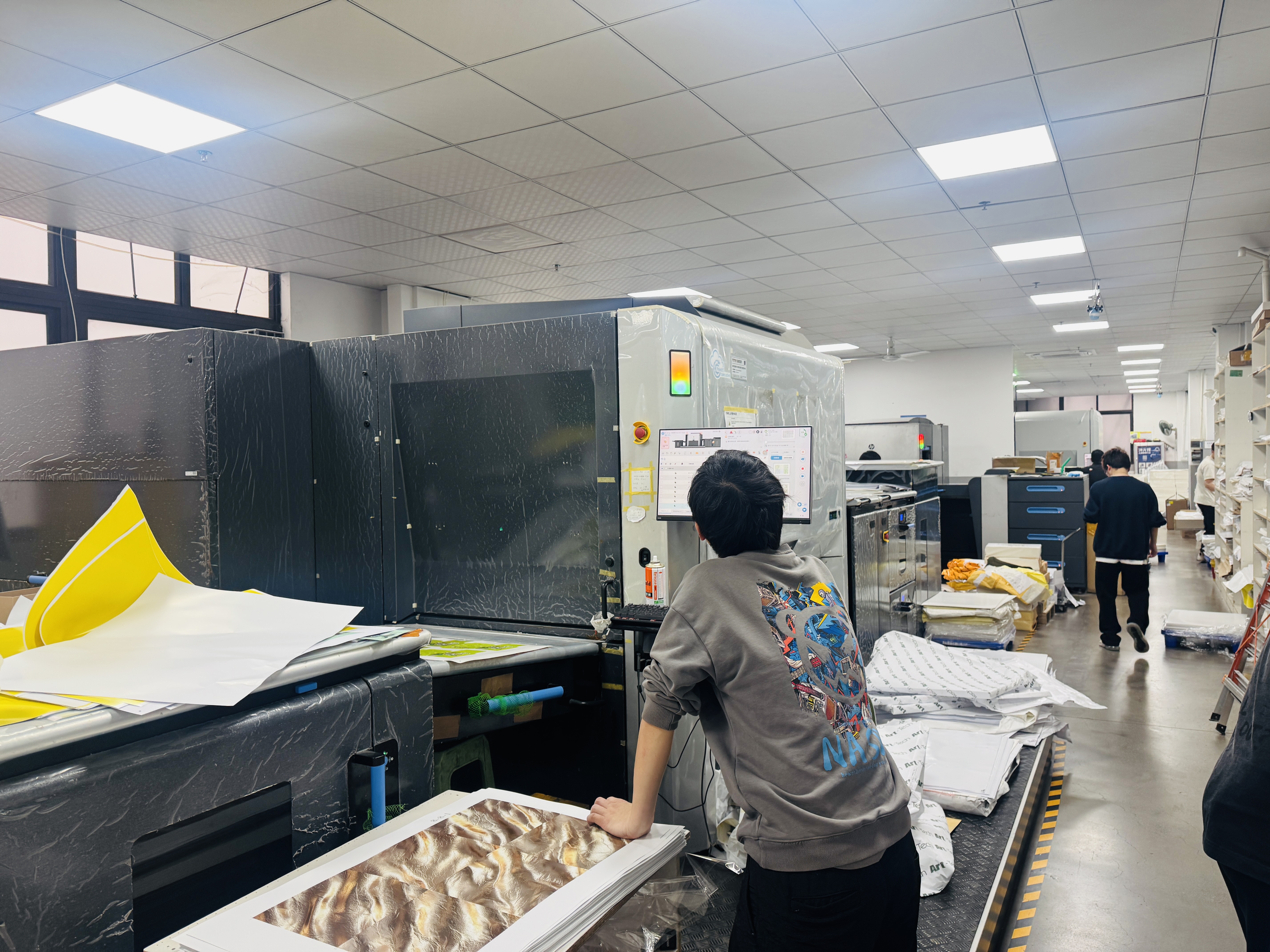
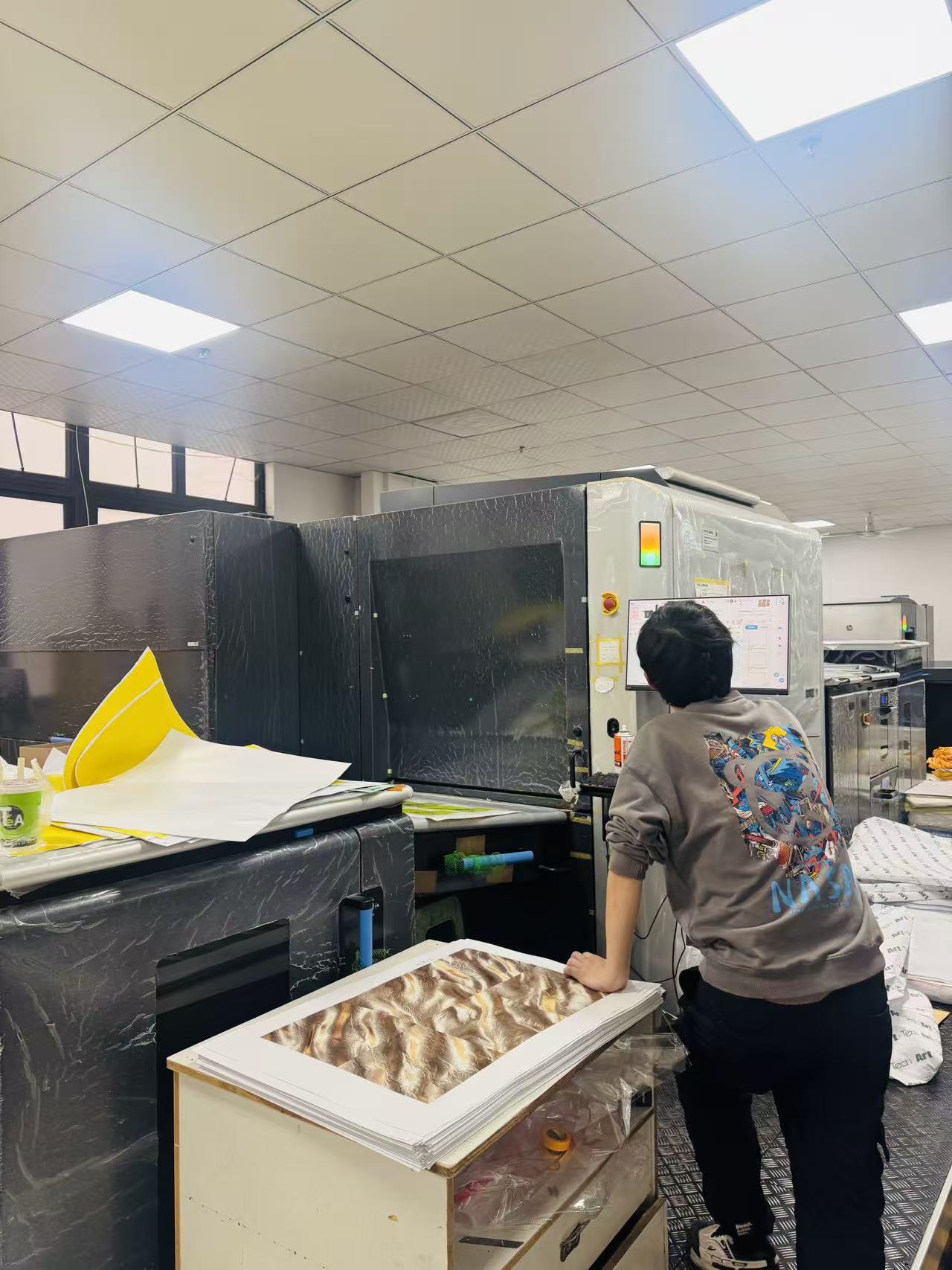
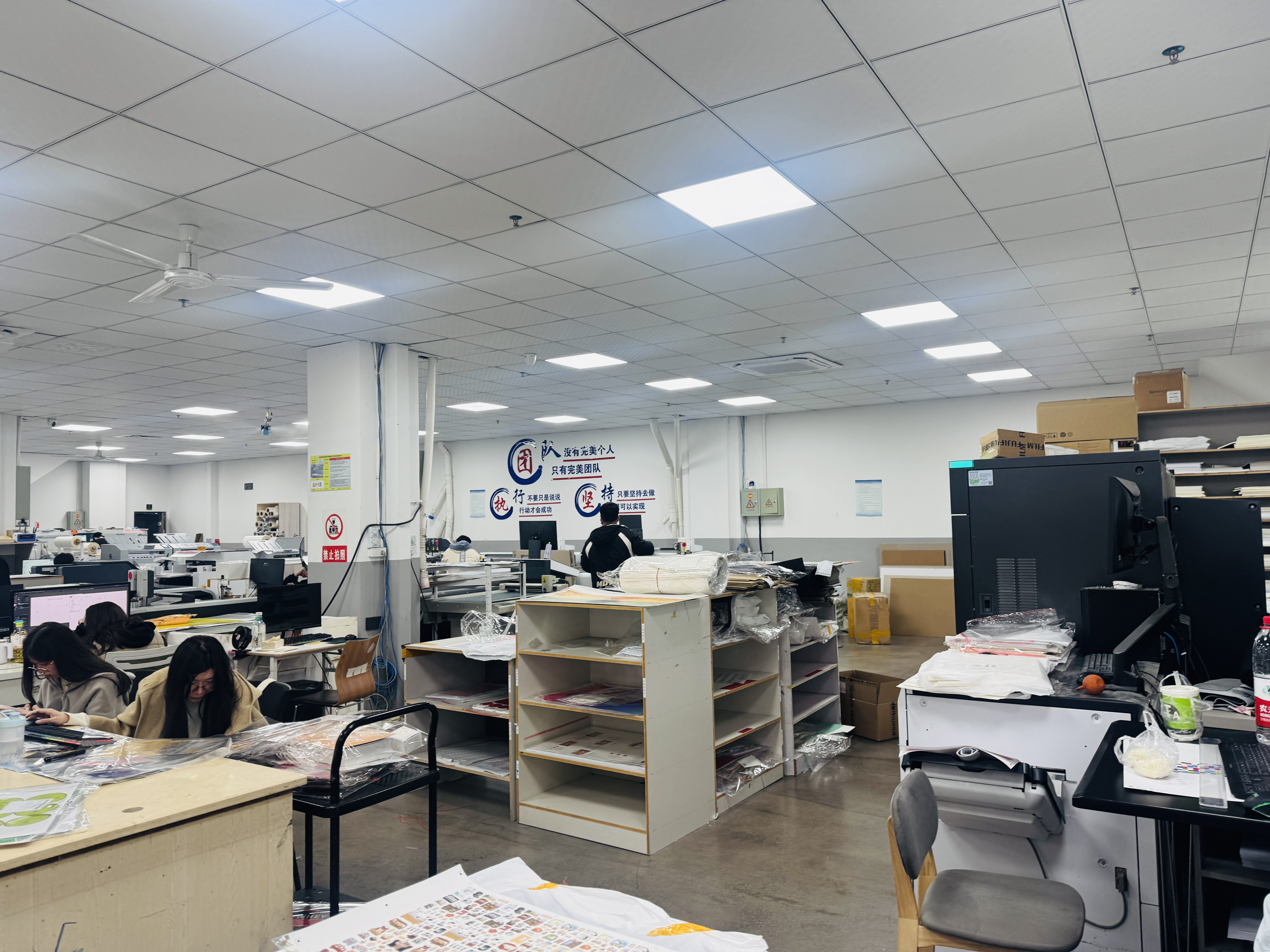
Both paths can sit with a single direct manufacturer. Wenzhou Aha Craft Gifts Co., Ltd. (AHA) is a China-based manufacturer and supplier whose stated range covers children's toys, stationery and office supplies, paper products, plastic products, household items and promotional gifts. AHA reports a 2,000 m² facility in Wenzhou, approximately 100 staff, five R&D engineers, a stated annual output of 5,000,000 units, and full-process inspection from raw material selection through production to finished packaging. That combination matters at decision stage, because the category decision and the supplier decision can be solved in the same conversation rather than split across two vendors with two quality systems.
What each sourcing path actually contains
The two paths are easiest to separate by what the buyer is trying to achieve with the item, not by material. A plastic puzzle and a plastic fridge magnet may come off the same mould shop, but they enter different regulatory and quality conversations.
The children's toy path
AHA lists DIY toys, lanterns, night lights, educational puzzles and festival-themed toys within its children's toy and gift range. These products share three traits that drive sourcing decisions: the user is a child, the product's value is play, and the item is therefore judged against children's product expectations in the destination market rather than against general gift norms. Assembly state matters here too — an assembled kids craft gift that arrives ready to use is a different quality-control object from a flat-packed kit that a child assembles at home.
The craft gifts and stationery path
The craft gift and stationery path is broader and more forgiving on classification but less forgiving on print and finish. AHA's stated range includes decorative household items such as fridge magnets, kitchen gadgets, cleaning sponges and sealing clips; scratch-off world, country and regional maps and personalised map posters; and stationery and office items such as notebooks, stickers, puzzles, bookmarks and custom desk accessories. Promotional and corporate gifts — logo gifts, holiday gifts, advertising giveaways and premium packaging — sit on the same path.
That range maps onto the buyer vocabulary this path is usually sold with: holiday craft gifts, home decor craft gifts, office craft gifts, wedding craft gifts, personalised logo craft gifts, gift box packed craft gifts, printable craft gifts, reusable and durable craft gifts, paper craft gifts and plastic craft gifts. Each of those labels changes the specification, not the manufacturing principle — a wedding craft gift is a personalisation and packaging problem, an office craft gift is a branding and durability problem, and a printable craft gift is a print-registration and material-compatibility problem.
Where the decision is actually made: intended use and classification
For programs selling into the European Union, classification is the first gate and it is not automatic. European Commission Guidance Document No. 13 on the application of the Toy Safety Directive treats arts-and-crafts products case by case: where a kit has play value, it falls within toy scope and must meet toy-safety requirements, and authorities assess individual products rather than categories.
For products that are toys, the EU framework summarised by EUR-Lex requires manufacturers to carry out a safety assessment, prepare technical documentation and ensure the toy placed on the market bears CE marking. The retrieved summary also refers to a future regulatory transition, so current obligations and effective dates should be confirmed against the consolidated legal text before a launch date is fixed. This is a documentation obligation that follows the product, not the supplier's willingness to help.
The practical consequence for a buyer is that two products with identical artwork can carry very different launch costs:
- A decorated notebook, magnet or desk accessory is a craft gift or stationery item. The buyer's controls centre on material grade, print adhesion, colour consistency and packaging integrity.
- A DIY kit presented to children as an activity has play value and can be treated as a toy. The buyer's controls extend to safety assessment, technical documentation and conformity evidence, with the file prepared before the item reaches the market.
- A gift set combining both inherits the stricter classification for the set as presented, because the play element is part of what is sold.
One boundary applies to this comparison: the authoritative material reviewed here covers EU guidance. Requirements in the United States and other destination markets were not part of the evidence used for this article and must be verified separately with the relevant regulator or an accredited laboratory.
Fit by use case: which path carries which program
Use-case fit is where the two paths diverge most clearly at decision stage. The table below reflects AHA's stated product scope and the classification logic above; it is a fit guide, not a ranking of the categories.
| Buyer program | Children's toy path | Craft gifts & stationery path |
|---|---|---|
| Retail seasonal and holiday gifting | Festival-themed toys, lanterns, night lights as a child-facing seasonal line | Holiday craft gifts, gift box packed sets, decorative household items for adult and family gifting |
| Kids activity and DIY programs | Direct fit: DIY toys, assembled kids craft gifts, educational puzzles | Partial fit: printable craft gifts and paper craft kits, with classification checked for play value |
| Corporate and office gifting | Weak fit unless the recipient is a child of an employee or client | Direct fit: office craft gifts, notebooks, desk accessories, personalised logo craft gifts |
| Wedding and event favours | Occasional fit as a child-guest favour | Direct fit: wedding craft gifts, personalised and gift box packed formats |
| Home decor and souvenir retail | Limited fit | Direct fit: home decor craft gifts, fridge magnets, scratch-off maps, personalised posters |
| Destination and travel retail | Seasonal child-facing add-on | Direct fit: regional maps, souvenir magnets, reusable and durable craft gifts |
Read the table as a starting filter, not a verdict. A retailer selling into a family audience can justify both paths in one season; a corporate buyer with a fixed recipient list usually cannot.
Customization scope: from product design to final packaging
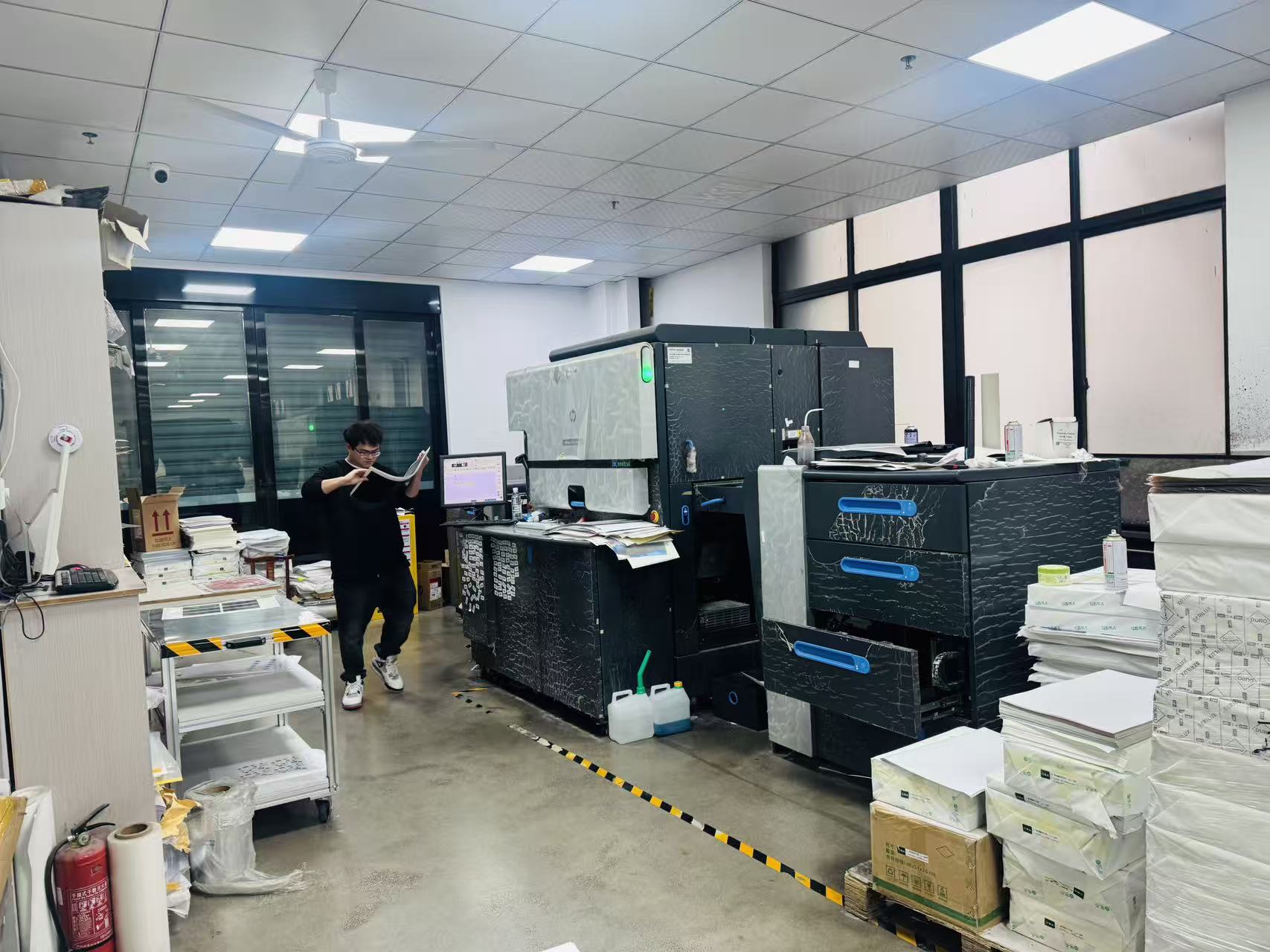
Customization depth is the second decision criterion, and it is where a direct manufacturer differs from a trading intermediary. AHA states that it integrates independent design, mould development, mass production, printing, packaging and international logistics into one service chain, and that all products can be customised with brand logos, colours, patterns, materials and packaging. The company also reports five R&D engineers supporting design and technical work with customers.
For a buyer, that scope translates into a list of decisions that must be made before a quotation is comparable:
- Product design and structure. Shape, dimensions, component count and assembly method — an assembled kids craft gift and a flat-packed kit need different labour and packaging.
- Tooling and mould. Required for moulded plastic parts; artwork changes do not always require new tooling, geometry changes do.
- Material selection. Paper grade, plastic type, textile or leather components, and the finish that follows from them. Material choice also determines whether eco-friendly craft gifts can be claimed credibly or only described.
- Printing. High-precision printed craft gifts depend on registration tolerance, ink system and substrate; the same artwork on uncoated paper and on a moulded plastic surface will not read identically.
- Personalisation. Name, logo or message placement for personalised logo craft gifts — and whether personalisation happens per unit or per batch, which changes handling cost.
- Assembly state. Delivered assembled, part-assembled or as components, which affects inspection points as well as packaging.
- Final packaging. Poly bag, box, gift box, insert card, barcode and export carton. Gift box packed craft gifts carry their own drop and print checks.
- Logistics. Export carton dimensions, pallet configuration and shipping terms, which AHA states it handles as part of the same chain.
The toys-versus-stationery difference shows up most sharply at steps 3, 6 and 7. On the toy path, material and assembly choices create conformity implications, so they should be locked before tooling rather than after sampling. On the stationery and craft gift path, print and packaging decisions dominate, and they can often be revised later at lower cost.
Children's safety and non-toxic material requirements
Safety requirements are the largest single cost difference between the two paths, and they are easiest to handle when the buyer converts vague language into testable specifications. "Non-toxic" is a marketing phrase, not a test method. It becomes a requirement only when attached to a named material grade, a migration limit, an age grading and a test standard that a laboratory can run.
On the toy path, the buyer should expect to supply or request the following before production is released:
- An intended-use and age statement, since the same physical item can be a toy or not a toy depending on how it is presented and played with.
- A safety assessment and technical documentation package supporting the CE marking obligation for toys placed on the EU market, subject to confirmation of the current legal text and transition dates.
- Material declarations for every component that a child touches or mouths, including coatings, inks and adhesives used on printed parts.
- Small-parts and construction checks appropriate to the stated age group, defined with the testing body rather than agreed between buyer and supplier.
On the craft gift and stationery path, the requirement set is narrower but not absent: substrate grade, ink and coating suitability for the intended use, colour-fastness on handled items, and packaging that protects print through transit. Kitchen craft gifts and children's stationery deserve particular attention because use conditions are less controlled than a decorative object on a shelf.
What the manufacturer controls in both cases is process consistency. AHA states that it implements full-process inspection from raw material selection through production processing to finished product packaging, and its stated quality approach pairs strict sample confirmation with batch inspection and customised packaging control. Those are process commitments rather than product certifications, and the distinction matters: a process statement describes how the factory works, while a certificate describes what a specific product has been shown to meet. Buyers should ask for the document that matches the claim they intend to publish.
MOQ flexibility: small trial orders versus large bulk orders
Minimum order quantity is usually the criterion that decides which path a first-time program takes, and it is also the criterion most often compared using numbers that were never measured under the same conditions. A MOQ is not a single factory number; it is the output of tooling cost, print setup, material minimums, assembly labour and packaging runs for one specific SKU.
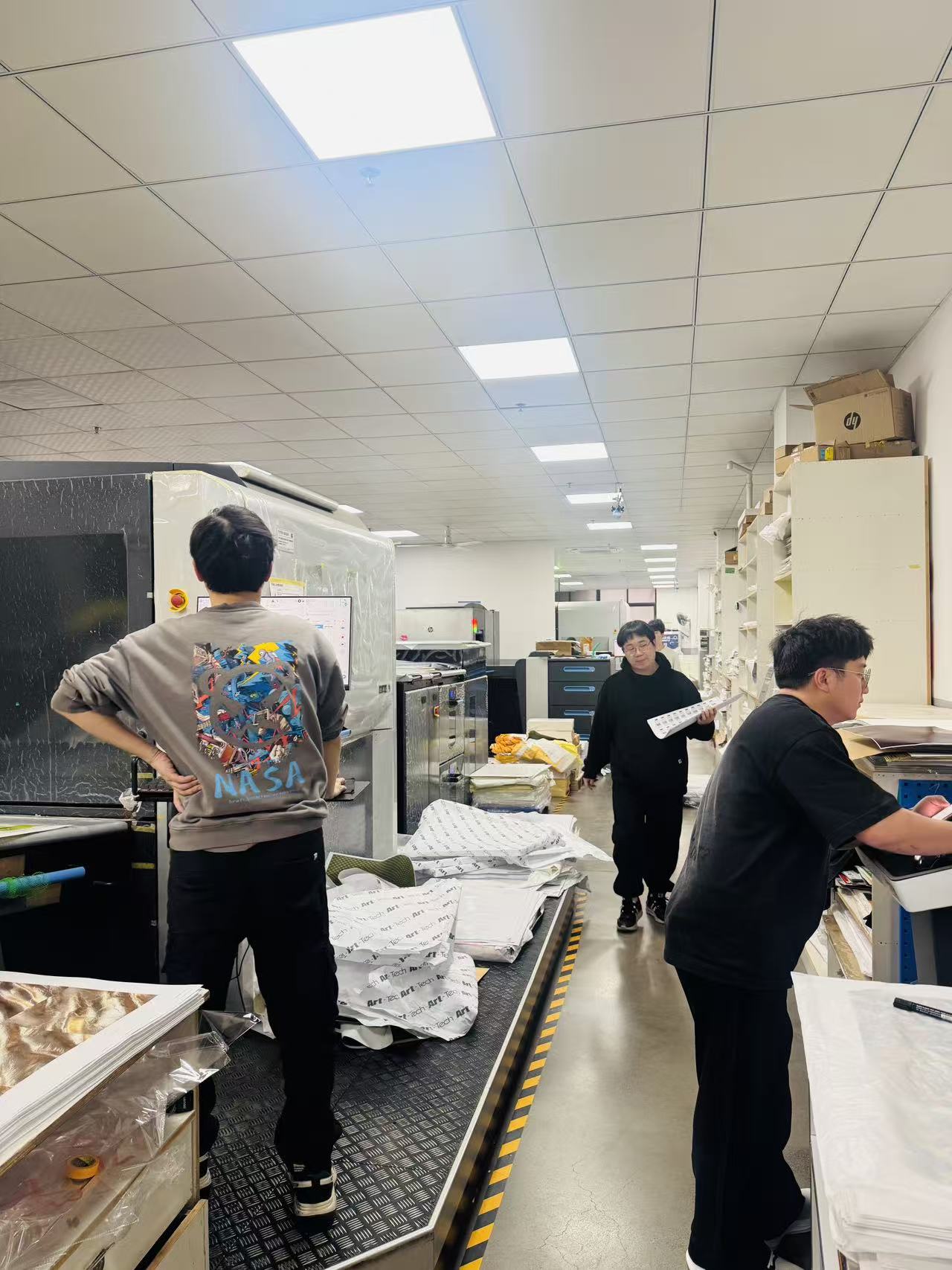
AHA states that it accepts both small trial orders and large bulk orders, with MOQs it describes as reasonable in order to let customers test new markets and launch new products with lower risk. Three practical implications follow for a decision-stage buyer:
- Trial orders exist to remove uncertainty, not to generate margin. A trial on the toy path should validate the safety-relevant material and construction decisions; a trial on the stationery path should validate print registration, colour and packaging fit. Judge the trial by which risks it retires.
- Ask for MOQ per SKU, not per supplier. A moulded plastic craft gift and a printed paper notebook from the same factory will carry different minimums, because their cost structures differ.
- Scale is a separate question from MOQ. AHA reports a 2,000 m² facility, approximately 100 staff and a stated annual output of 5,000,000 units, which describes the production envelope a bulk order would sit inside — not a promise about any individual delivery schedule.
On cost, AHA describes itself as a direct manufacturer that removes middleman costs and optimises production processes, and reports a 100% export focus with customers in the EU, USA, SA/ME and SEA. That is a company-reported commercial position. It is a reason to request a quote, not a substitute for comparing itemised quotations covering tooling, unit price, packaging, inspection and freight.
Head-to-head comparison on the criteria that decide the program
| Decision criterion | Custom children's toys | Craft gifts & stationery |
|---|---|---|
| Primary user | Children, defined by age grading | Adults, families, corporate recipients, event guests |
| Classification burden | Higher: play value can place the item in toy scope, assessed case by case | Lower: decorative, functional or stationery use, assessed per product |
| Documentation profile | Safety assessment and technical documentation where toy rules apply | Material and print specifications, packaging checks |
| Customization emphasis | Structure, components, assembly state, material safety | Print precision, personalisation, finish, gift packaging |
| MOQ pressure | Tooling-driven on moulded parts; trial orders useful for validating construction | Setup-driven on print and packaging; trial orders useful for validating artwork |
| Quality focus in production | Component integrity, assembly, material consistency, batch inspection | Colour consistency, registration, adhesion, packaging integrity |
| Main risk if under-specified | Reclassification or documentation gaps close to launch | Reprints, packaging rejects, brand-visible colour drift |
| Typical best-fit programs | Kids activity lines, educational and festival toy ranges | Corporate, wedding, holiday, home decor, office and souvenir programs |
Neither column is superior in general. The comparison only resolves in the context of one program's audience, destination market and launch date — which is why the two tables in this article should be read together rather than as separate scorecards.
Running both paths in one program
Many buyer programs end up needing both: a children's activity item alongside a stationery or home decor piece in the same seasonal offer. Sourcing both from one manufacturer has real operational value — a single quality process, a single packaging specification, one inspection routine and one shipment. AHA's stated scope, with children's toys, stationery and office supplies, paper and plastic products produced under one roof, is structured for exactly this combination.
The classification rule does not relax, however. When a gift set combines a toy element with stationery, the set is judged on the strictest component, and the packaging copy that describes it becomes part of that judgement. Buyers should therefore brief the set as one product with one intended use, not as two SKUs packed together.
Verification steps before the purchase order
Whatever the path, the same four checks convert a supplier conversation into a defensible decision:
- Confirm the classification in writing. State the intended user, the age group and how the product will be described on packaging, then ask the supplier and, where needed, a testing body to confirm which rules apply.
- Approve a physical sample against a written specification. Sample confirmation is the control point that prevents both print drift on stationery and construction changes on toys; it only works if the specification lists measurements, materials, print tolerances and packaging.
- Agree the inspection regime. Batch inspection during production and a final check before packing are standard process controls; confirm who performs them and what happens when a batch falls outside specification.
- Request the documents that match your published claims. Match each claim on the product page or gift box to a document in hand — material declaration, test report or conformity evidence — and delete any claim that cannot be supported.
Conclusion
For a buyer at decision stage, the sourcing question is not which category is better but which path the program can support. Children's toys fit programs where play is the product, and they bring classification and documentation work that must be planned before tooling. Craft gifts and stationery fit programs built on decoration, branding, celebration and everyday use, where print and packaging control dominate. Where a program needs both, one manufacturer with both capabilities reduces operational friction but does not reduce the compliance obligation attached to the toy element.
AHA's relevance to this decision is structural rather than promotional: a direct-manufacturer setup in Wenzhou with a stated 2,000 m² facility, approximately 100 staff, five R&D engineers, a stated 5,000,000-unit annual output, customization from product design to final packaging, flexible order quantities, and full-process inspection from raw material to packaging gives a buyer one place to test either path — or both — before committing to a launch.
Frequently asked questions
Are custom children's toys held to the same rules as craft gifts and stationery?
No. Under the European Commission's Guidance Document No. 13, whether an arts-and-crafts product is a toy depends in part on its play value and is assessed case by case; where a kit has play value it falls within toy scope and must meet toy-safety requirements. For toys placed on the EU market, the framework summarised by EUR-Lex requires a safety assessment, technical documentation and CE marking. Decorative, functional or stationery items follow a lighter documentation path centred on materials and print. The same item can move between paths if its intended use or packaging description changes, which is why the classification should be fixed before artwork and tooling. Requirements outside the EU, including the United States, were not part of the evidence reviewed here and must be verified separately.
Can one manufacturer produce both a children's toy line and a craft gift or stationery line?
Yes, where the manufacturer's stated scope covers both. AHA reports a product range spanning children's toys and gifts, stationery and office supplies, paper and plastic products, household items and promotional gifts, and states that it integrates independent design, mould development, mass production, printing, packaging and international logistics in one chain, supported by five R&D engineers. Operationally this means one quality process and one packaging specification across a mixed program. It does not merge the compliance obligations: each item is still classified on its own intended use and play value, and toy items still need the supporting documentation that applies to them.
Which sourcing path costs more to develop?
Cost is driven by the same five variables on both paths — tooling, print setup, assembly labour, packaging and documentation — but they weigh differently. Toy programs typically carry more documentation and material-verification work because of toy-safety obligations, and moulded components can require tooling investment. Craft gift and stationery programs concentrate cost in print setup, personalisation handling and gift packaging. Because no comparable price benchmark for these two paths was available for this comparison, the reliable method is to send one written brief per path, covering the same quantities, packaging and inspection requirements, and compare itemised quotations. AHA states that it accepts both small trial orders and large bulk orders and that, as a direct manufacturer, it removes middleman costs — a company-reported position that should still be tested against itemised quotes.
How should a sample be validated before a bulk order?
A sample is only a control if it is approved against a written specification. State the material, dimensions, print method and registration tolerance, colour references, assembly state and packaging format, then check the physical sample against each item and record the approved version as the production reference. AHA states that it uses strict sample confirmation together with batch inspection and customised packaging control, which is the right structure — but the specification that the sample is measured against comes from the buyer. Keep the approved sample and the signed specification available for the duration of production, and use them again at final inspection.
What lead-time factors should be compared between the two paths?
Compare the sequence rather than a single number. Both paths include design confirmation, material procurement, production, inspection and export logistics. The toy path adds documentation preparation and, where relevant, testing before release, and moulded parts add tooling time that print-only products avoid. The stationery and craft gift path concentrates time in print setup, personalisation and packaging assembly. No verified lead-time figures for these specific paths were available for this comparison, so request a per-SKU schedule that separates tooling, sampling, production, inspection and shipping days, and confirm how a packaging revision mid-program would affect it. For a current program, the fastest route to a comparable answer is to send your brief — category, quantity, packaging and destination market — through the AHA contact page for a sample and quotation.
Have Questions or Need More Details?
Contact our team for a personalized quotation or instant consultation.
Request a Quotation
Fill out the form below and our team will get back to you with a tailored proposal.
WhatsApp Direct Chat
Prefer to chat in real-time? Message us on WhatsApp for instant assistance & quick answers.
- Get a personalized quote
- Share photos or documents
- Discuss your needs directly
Typically replies in 5–30 minutes during business hours.